So — is Raising Cane’s healthy? Not exactly, but it’s not the worst fast food you can eat either. A standard Box Combo lands around 1,290 calories with a full day’s worth of sodium, mostly from the fried breading, the sauce, the fries, and the toast. The good news: the chicken itself is high-quality lean protein, and a few smart order tweaks — naked fingers, sauce on the side, water instead of soda — can cut a typical meal down to 700–800 calories while keeping the flavor you came for. Here’s the full honest breakdown.
The Short Answer: Healthier Than Most, Not Actually Healthy
Raising Cane’s sits in an unusual middle ground in fast food. On one hand, its menu is radically simple — hand-battered chicken fingers, fries, Texas toast, coleslaw, and one famous sauce. That simplicity means no cheap fillers, no mystery meat: the chicken has no antibiotics and no added hormones, it’s battered and cooked fresh to order, and it packs real protein (13 grams per finger). Four fingers alone deliver roughly 43–52 grams of complete protein, which is a legitimate head start for anyone tracking macros.
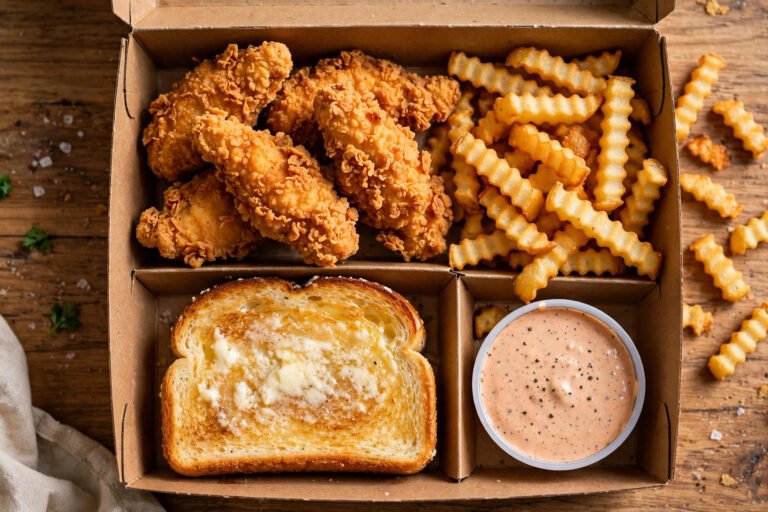
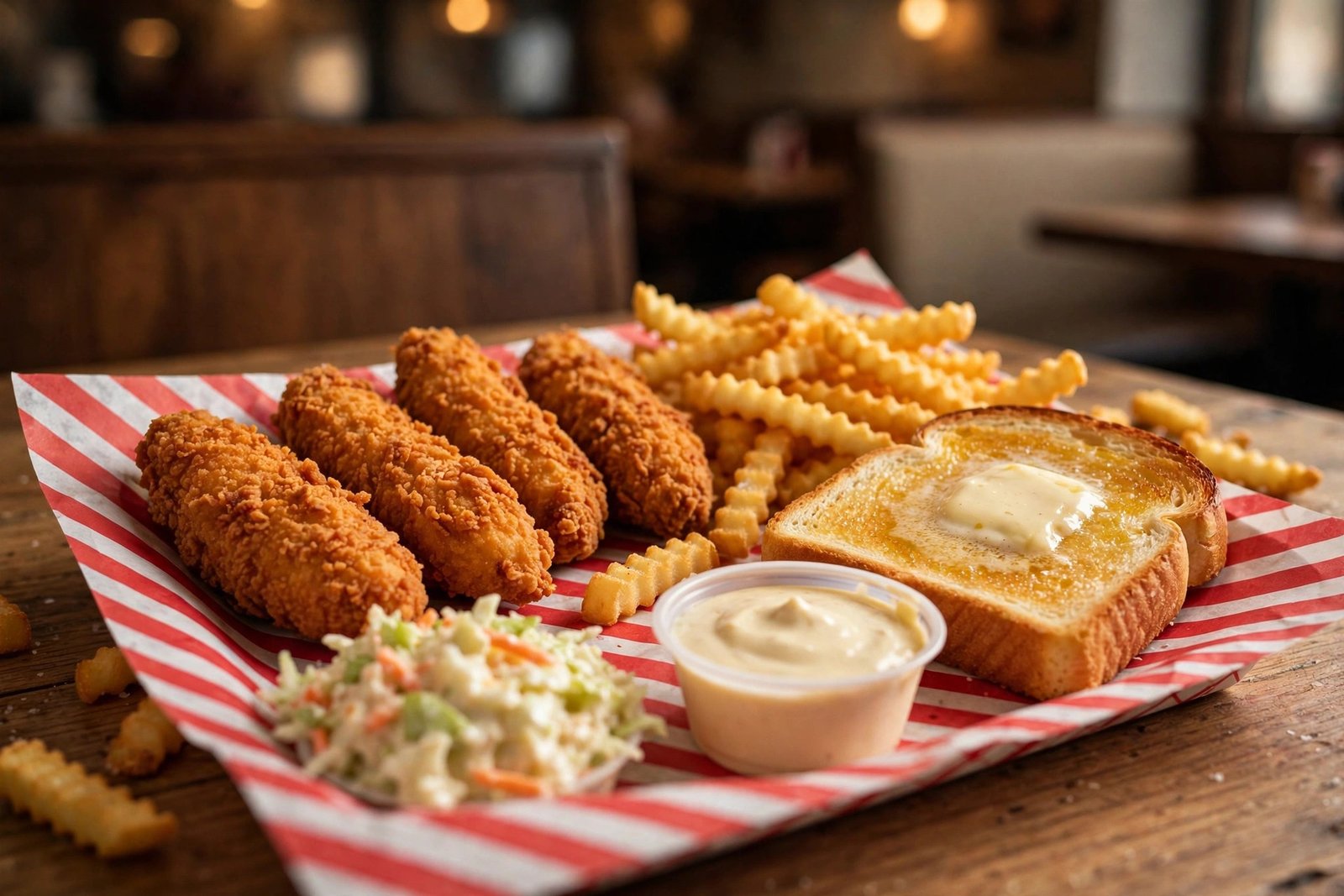
On the other hand, almost everything on the menu is fried or butter-rich, and sodium is the real villain. A single Box Combo (4 fingers, fries, toast, coleslaw, one sauce — no drink) runs roughly 1,290 calories, 72–74g of fat, and around 2,280–3,160mg of sodium depending on the source — that’s more than half a day’s calories and a full day’s sodium limit (2,300mg) in one sitting. The Caniac Combo pushes ~1,790–1,840 calories and over 3,300mg sodium. So as an everyday meal, no — it’s not healthy. As an occasional meal ordered smartly, it’s very manageable.
Bottom line: Cane’s is a protein-rich fast food meal with serious calorie and sodium baggage. Your order strategy decides which side wins.
Where the Calories Actually Come From
Almost every combo calorie is built from five building blocks. Here’s what each one contributes, so you can see exactly where to trim:

- Chicken finger (each): ~130 calories, 7g fat, 13g protein, 6g carbs, ~200–320mg sodium. Nearly half the calories come from fat — the cost of deep-frying. But the 13g of protein per finger is the best part of the whole menu.
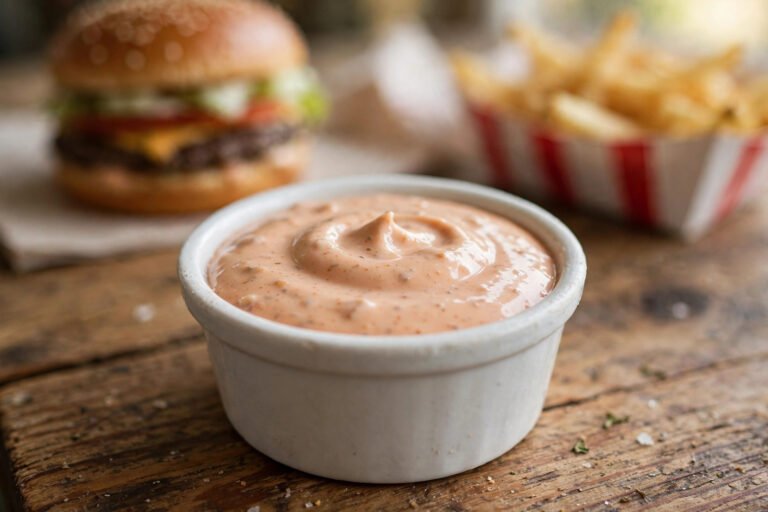
- Cane’s Sauce (one 1.5 oz cup): ~190 calories, 18–19g fat, 6g carbs, 0g protein. It’s mostly mayonnaise and spices — one of the most calorie-dense things on the menu, and combos only come with one cup. Want more sauce? That’s another 190 calories each time. (Full breakdown: what’s in Cane’s Sauce.)
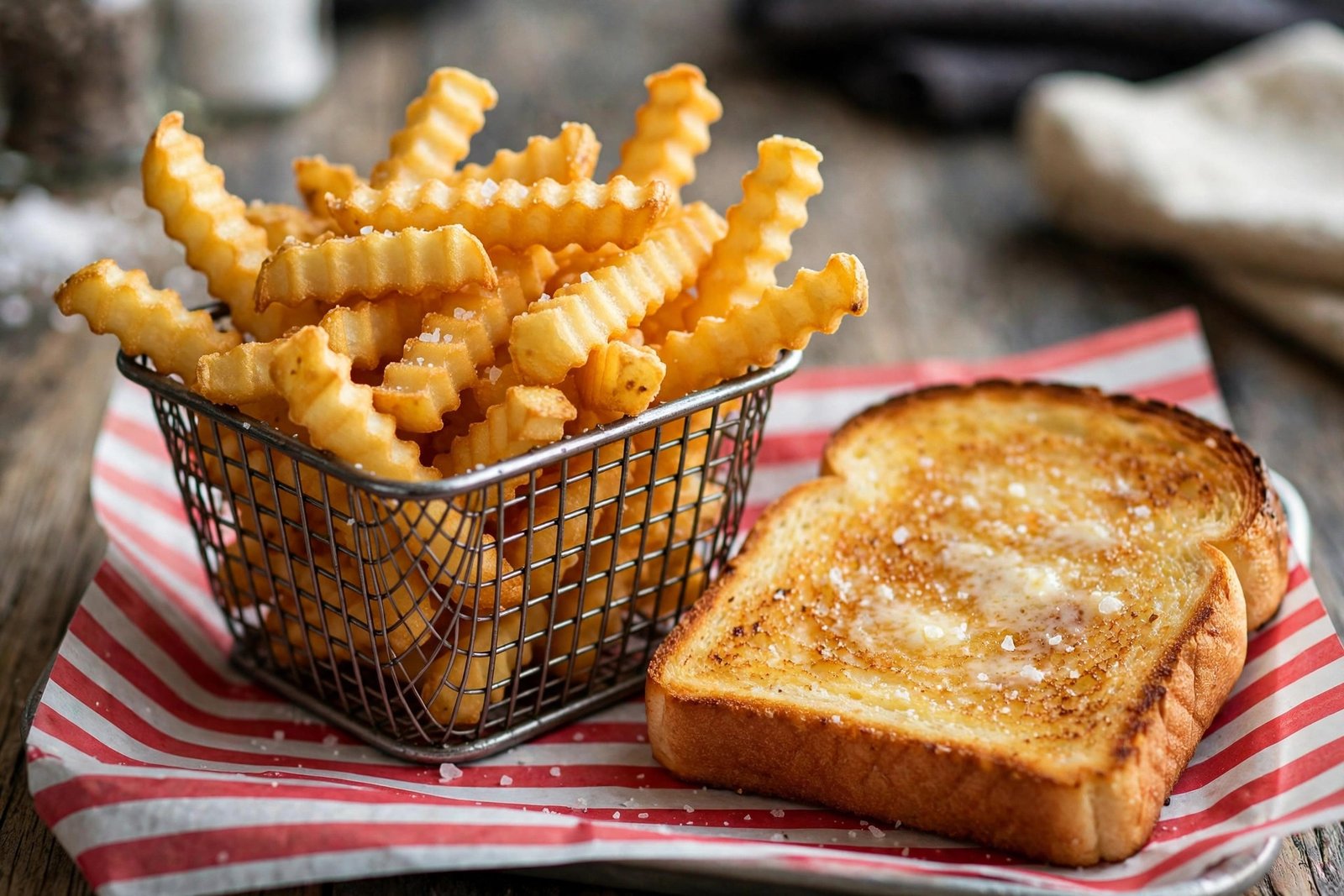
- Crinkle-cut fries (regular): ~390–400 calories, 19–20g fat, ~49–50g carbs, 5g protein, up to ~810mg sodium. The single biggest calorie chunk in most combos.
- Texas toast (one slice): ~150 calories, 5g fat, 24g carbs, 4g protein. Basically buttery white bread — calories without much nutritional return.
- Coleslaw (4 oz): ~100 calories, 6g fat, 9–10g carbs, 1g protein. The one side with actual vegetables, and the lightest thing on the menu.
Add a sweet tea and you’re stacking on more sugar; the drink is the easiest hidden calorie in the building. Note that numbers vary slightly by location and preparation — use them as a guide, not a lab result.
Best vs. Worst Menu Choices
| Ranking | Order | Rough calories (no drink) | Why |
|---|---|---|---|
| Best | Kids Combo (fingers + coleslaw + milk) | ~610–650 | Portion control built in; still ~29–34g protein |
| Better | 3 Finger Combo | ~1,050–1,060 | ~47–48g protein, but 1,700–2,400mg sodium |
| Middle | Chicken Sandwich Combo | ~1,140–1,220 | Breaded chicken + bread + everything else stacks up |
| Heavy | Box Combo | ~1,290–1,300 | The standard order — 60%+ of daily calories |
| Worst | Caniac Combo | ~1,790–1,840 | 6 fingers + full sides; over 100g fat, 3,300mg+ sodium |
For the complete per-item calorie and macro tables, see our full Raising Cane’s nutrition and calories guide — this article is the verdict and strategy; that one is the reference.
5 Healthiest Ways to Order at Raising Cane’s
You don’t have to eat the combo exactly as it comes. These five tweaks are the difference between a 1,300-calorie splurge and a balanced 700–800 calorie meal with 50+ grams of protein:
- Order naked fingers. This is the famous secret menu hack: chicken fingers without the breading, grilled-style. Each naked finger runs roughly ~70 calories with zero carbs and ~13g protein — saving about 50–60 calories and 6g of carbs per finger versus the fried version.
- Get the sauce on the side — or skip it. One cup of Cane’s Sauce is ~190 calories of mostly mayo. Dip lightly instead of dunking, or cut it entirely, and you’ve trimmed the equivalent of a whole side dish. (Light mayo makes up most of the calories — here’s what’s actually in it.)
- Swap fries for coleslaw or extra fingers. Trading the 390–400-calorie fries for a 100-calorie coleslaw instantly saves ~300 calories and adds a little fiber. Or substitute extra chicken fingers for the fries and turn your combo into a high-protein meal.
- Downsize the portion. The 3 Finger Combo instead of the Box Combo, the Kids Combo as a legit light meal, or just splitting a Box Combo with someone — portion size matters more than any single swap.
- Fix the drink. Unsweet tea, light lemonade, or water instead of sweet tea or soda saves 100–250 calories and a pile of sugar without touching the food you actually wanted.

Example build: 4 naked fingers + coleslaw (double, no toast/fries) + sauce on the side + water. Roughly 480–560 calories, ~55–60g protein, 6–12g carbs — a genuinely solid high-protein meal by any standard.
The Protein-Per-Calorie Angle
If you’re eating for muscle or satiety, Cane’s chicken is one of the better fast food proteins around. Four regular chicken fingers: ~520 calories for 43–52g of complete protein — a protein-per-calorie ratio that beats most burger chains’ offerings and compares decently to Chick-fil-A’s grilled nuggets on protein, though not on calories (the frying adds the gap). The chicken has no fillers, no antibiotics, and it’s cooked fresh — genuinely cleaner sourcing than a lot of fast food.
The trap is that everything around the chicken erodes that advantage. Keep the protein, ditch the breading and sauce, and you’re left with a meal most dietitians would nod at. Keep the full combo and the protein comes with 1,300 calories of company.
Diet Notes: Keto, Low-Carb, and Weight Loss
- Keto / low-carb: Very doable. Naked fingers have ~0g carbs; keep the sauce light (6g carbs per full cup) or skip it; choose coleslaw over fries and skip the toast. A naked-finger meal fits a keto day easily.
- Weight loss / calorie counting: Cane’s works fine if you order for it — the protein is excellent for satiety, so a modified meal keeps you full on fewer calories. The unmodified combos will blow a 1,800-calorie day in one sitting.
- Low sodium: This is the weak spot. Even single items run 200–800mg sodium; a full combo hits the entire daily limit. If blood pressure is a concern, Cane’s is a rough fit — stick to the smallest order possible.
- Gluten-free: The regular menu is breading- and toast-heavy, so it’s tough; naked fingers plus coleslaw is the closest safe-ish route, but cross-contamination in fryers means it’s not a celiac play. Ask your location before ordering.
Raising Cane’s vs. Other Fast Food
vs. Chick-fil-A: Chick-fil-A wins on options — grilled chicken sandwich, grilled nuggets, side salad, fruit cup. Cane’s wins on simplicity and chicken quality, but has no grilled option anywhere on the menu. Edge: Chick-fil-A for healthy choices.
vs. McDonald’s: A Box Combo’s ~1,290 calories compares to a Big Mac meal’s ~1,100, but Cane’s gives you roughly double the protein per calorie and cleaner chicken sourcing. Edge: Cane’s for protein quality; McDonald’s has lighter options (wraps, salads) if you’re disciplined.
vs. Popeyes: Similar fried-chicken DNA, but Popeyes adds biscuits, heavier sandwiches, and richer sides. Both are indulgent; Cane’s slightly lighter on average thanks to the coleslaw option and smaller standard combos. Honestly? Similar tier.
The real differentiator: Cane’s has a uniquely effective “healthy back door.” The naked-fingers hack lets you convert a fried-chicken chain into a grilled-chicken meal — something McDonald’s and Popeyes can’t match with a two-word order change.
If you’re comparing full menus and prices alongside nutrition, our Raising Cane’s menu with prices (2026) guide covers the whole lineup.
Is Raising Cane’s Healthy? FAQs
Is Raising Cane’s healthy or unhealthy?
In-between. The chicken is high-quality lean protein with no antibiotics, but the standard combos are deep-fried, high-calorie (1,290+ for a Box Combo), and loaded with sodium. It’s fine as an occasional meal ordered smartly — not as a daily habit.
What is the healthiest thing to eat at Raising Cane’s?
Naked chicken fingers (unbreaded secret-menu order) with coleslaw and sauce on the side, plus water. That’s roughly 480–560 calories with 55–60g protein — the best macros on the menu.

How many calories are in a Raising Cane’s chicken finger?
About 130 calories, 7g fat, and 13g protein per regular breaded finger. A naked (unbreaded) finger is roughly 70 calories with ~0g carbs.
Is Cane’s Sauce bad for you?
It’s ~190 calories per 1.5 oz cup with 18–19g of fat, mostly from mayonnaise — calorie-dense with no protein. It won’t ruin a meal in a light dip, but full cups add up fast.
Can you eat Raising Cane’s on keto?
Yes — order naked fingers (0g carbs) with sauce sparingly or skipped, coleslaw instead of fries, and no toast. Just watch the sodium.
Is Raising Cane’s healthier than Chick-fil-A?
Not on paper — Chick-fil-A’s grilled options beat anything at Cane’s. But with the naked-fingers hack, Cane’s can get surprisingly close for protein-focused eaters.
Nutrition figures are estimates compiled from Raising Cane’s official nutrition information and third-party nutrition databases; actual values vary by location and preparation. This article is informational, not medical or dietary advice.