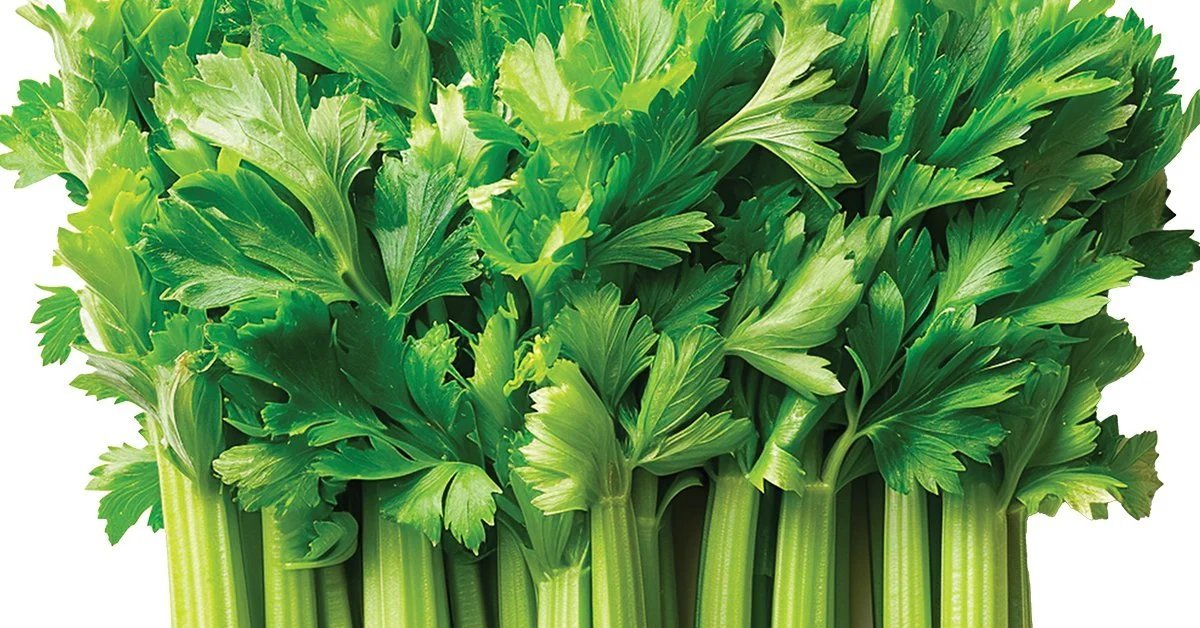
Pravi celer is the Bosnian, Croatian, and Serbian term for “true celery” — the familiar crisp green vegetable with long stalks, known scientifically as Apium graveolens. The word “pravi” means “true” or “real,” and it is used to distinguish classic stalk celery from its close relatives like celeriac (root celery) and leaf celery. This guide covers what the term means, the vegetable’s nutrition, the different varieties, and how to use them all in your kitchen. For more nutrition breakdowns, check our In-N-Out nutrition and calories guide.
What “Pravi Celer” Means
In South Slavic languages — Bosnian, Croatian, and Serbian — “celer” is celery and “pravi celer” is “true” or “real” celery. The emphasis on “true” does two jobs: it separates everyday stalk celery from celeriac and leaf celery, and in traditional cooking it signals the full, garden-style plant — stalks, leaves, and root — rather than just trimmed supermarket stalks.
Botanically, it is all one species: Apium graveolens, a marshland plant in the Apiaceae family (the same family as parsley, carrots, and fennel) with a culinary history stretching back to ancient Egypt, Greece, and Rome. In Balkan and Slavic kitchens, celery is a workhorse — the aromatic base of soups, stews, and salads — not just a garnish.
Pravi Celer Nutrition Facts
Celery’s reputation as a light, hydrating vegetable is well earned: it is about 95% water and very low in calories. The figures below are per 100 grams of raw celery, based on USDA nutrient data (USDA #11143) as republished by nutrition databases.
| Nutrient (per 100g raw) | Amount |
|---|---|
| Calories | ~14–16 kcal |
| Water | ~95 g |
| Dietary fiber | 1.6 g |
| Protein | 0.7 g |
| Carbohydrates | ~3 g |
| Sodium | 80 mg |
| Potassium | 260 mg |
| Calcium | 40 mg |
| Magnesium | 11 mg |
| Phosphorus | 24 mg |
| Vitamin K | ~29 mcg |
| Vitamin A (RAE) | 22 mcg |
| Folate | 36 mcg |
| Vitamin C | ~3 mg |
Those numbers make celery a genuinely useful low-calorie addition to meals — high volume and crunch for very few calories, with meaningful vitamin K, folate, and potassium. As with any food, these are general nutrition facts, not medical advice.
The Three Kinds of Pravi Celer
When people say “pravi celer” in the traditional sense, they may mean the whole plant family. Here are the three forms you will encounter:
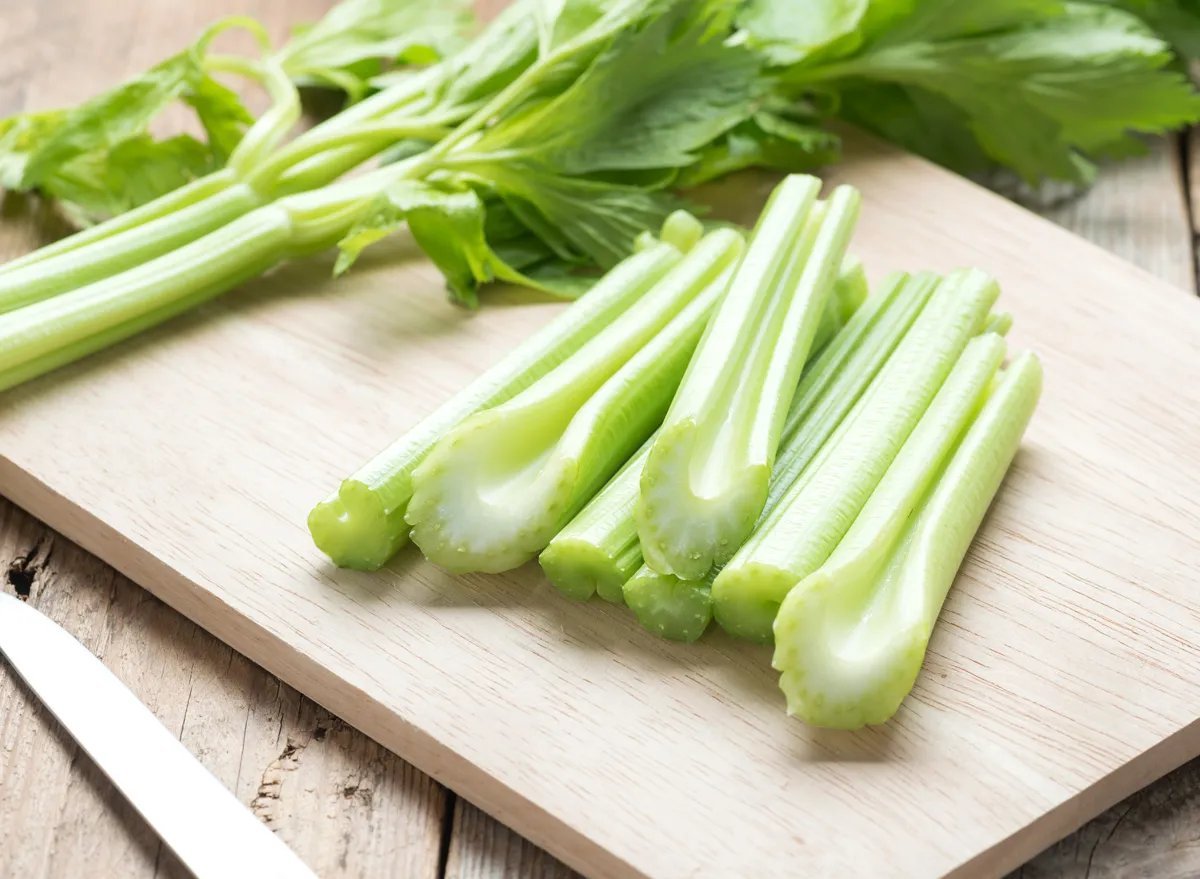
Stalk celery is the classic: long, crunchy, pale-green ribs sold in bunches. Eaten raw with dips, chopped into salads, or diced as part of mirepoix (the onion-carrot-celery base of countless soups and stews).
Celeriac (root celery) is the knobby root of a celery variety, with dense, earthy flesh. It is excellent roasted, mashed, or grated raw into remoulade-style salads, and at roughly 42 calories per 100g raw it is a lighter stand-in for potatoes.
Leaf celery is grown for its aromatic leaves rather than thick stalks. Used like an herb — chopped into soups, stocks, and salads — it delivers concentrated celery flavor, and the leaves of regular stalk celery can be used the same way instead of thrown out.
How to Use Pravi Celer in Everyday Cooking
Raw: sticks with hummus, peanut butter, or yogurt dip; diced into tuna, chicken, or potato salads for crunch.
Cooked: the backbone of soups, stews, braises, and stocks — sauté diced celery with onion and carrot before adding liquid. It also roasts well alongside root vegetables.
Juiced: celery juice became a wellness trend for a reason — it is hydrating and low-calorie. Note that juicing removes the fiber, so whole stalks are the more filling choice.
Don’t waste the leaves: chop them into salads, blend into pesto or green sauces, or simmer in stock for extra depth.
Storage: wrap unwashed stalks tightly in aluminum foil and refrigerate — this keeps them crisp for up to two weeks, noticeably longer than a loose plastic bag. Revive limp stalks with a 30-minute ice-water bath.
Frequently Asked Questions
Is pravi celer different from regular celery?
Not botanically. “Pravi celer” literally means “true celery” in Bosnian, Croatian, and Serbian — it refers to the same vegetable (Apium graveolens). The phrase is mainly used to distinguish classic stalk celery from celeriac or leaf celery, or to emphasize the whole, traditional plant.
Is pravi celer healthy?
Celery is a nutritious, very low-calorie vegetable: about 14–16 calories per 100g, roughly 95% water, with fiber, vitamin K, folate, potassium, and vitamin A. It fits well into balanced diets, but no single food is a cure-all — think of it as one good component among many.
Can you eat celery leaves?
Yes — celery leaves are edible and flavorful. Use them fresh in salads, as a soup garnish, or blended into sauces and pesto. They carry a more concentrated celery taste than the stalks.
How do you keep celery fresh longer?
Wrap the whole bunch tightly in aluminum foil and refrigerate unwashed; it stays crisp for up to two weeks. Keep cut sticks in water in a sealed container for up to a week, and revive wilted stalks in ice water for about 30 minutes.