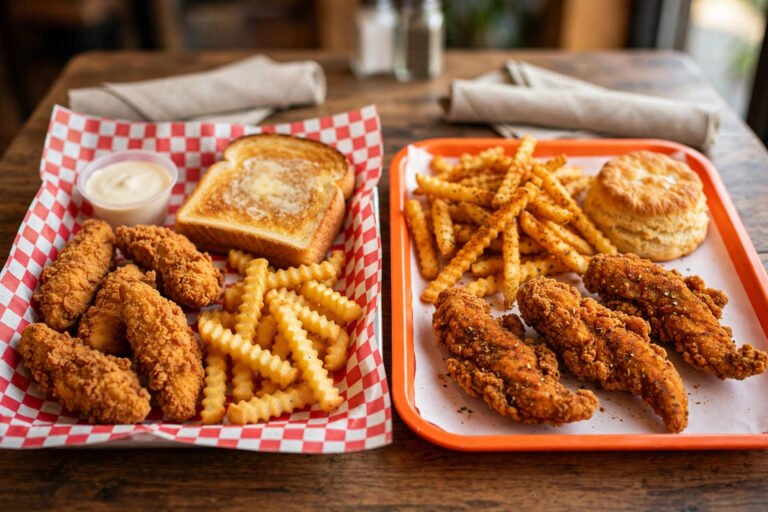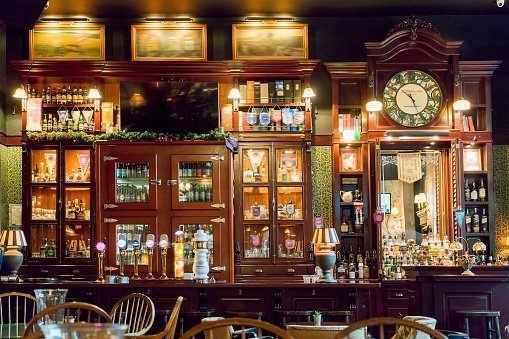
In the 1990s, Lone Star Steakhouse and Texas Roadhouse were fighting the same war: affordable, Texas-themed, family-friendly steakhouses with peanut shells on the floor. Thirty years later, Texas Roadhouse is one of America’s biggest restaurant chains — and Lone Star is down to a single restaurant in Guam. This is the honest comparison: how the two stacked up on food, prices, and atmosphere, and why one survived while the other became a cautionary tale.
Head-to-Head: Lone Star vs Texas Roadhouse
| Lone Star Steakhouse | Texas Roadhouse | |
|---|---|---|
| Founded | 1989, Winston-Salem NC | 1993, Clarksville IN |
| Peak locations | ~267 (1998) | 700+ and still growing |
| Locations in 2026 | 1 (Tamuning, Guam — independent) | 700+ across the U.S. and abroad |
| Signature starter | Texas Rose (bloomed onion) | Cactus Blossom (bloomed onion) |
| Signature freebie | Buckets of peanuts, shells on the floor | Fresh-baked rolls with cinnamon honey butter + peanuts |
| Steak style | Mesquite-grilled | Hand-cut, grilled |
| Price segment | $12–$20 mid-price steakhouse | $12–$20 mid-price steakhouse |
| Entertainment | Staff line dancing | Staff line dancing |
| Status | Defunct (bankruptcy 2017) | Thriving |
On paper, they were nearly the same restaurant. That’s what makes the divergence so instructive.
Where They Were Similar
Both chains sold the same dream: a loud, casual, Texas-roadhouse night out where a family could eat steak without fine-dining prices. Both had bloomed-onion appetizers, both scattered peanut shells on the floor, both had servers line-dancing between tables. In markets where they sat across the street from each other — Bourbonnais, Illinois; Fayetteville, North Carolina; Easton, Pennsylvania — regulars argued for years about which was better, and plenty of reviews from the era call Lone Star the better of the two on food quality. Lone Star wasn’t the worse restaurant. It was the worse business.
Why Texas Roadhouse Won and Lone Star Died
Restaurant-industry reporting points to five decisive differences:
- Brand identity. Texas Roadhouse built its name around unforgettable signatures — the fresh-baked rolls with cinnamon butter, the hand-cut steaks, the “legendary” service mantra — and repeated them relentlessly. Lone Star kept renaming menu items and never gave customers one thing to anchor the brand to. Food writers have specifically contrasted this: memorable signatures vs. forgettable churn.
- Expansion discipline. Lone Star sprinted to 267 locations by 1998, then kept opening through the run-up to the Great Recession — taking on a debt-heavy footprint right before consumer spending collapsed. Texas Roadhouse grew steadily over decades instead of sprinting and stalling.
- Ownership. Lone Star was sold twice to private equity owners who extracted value — including sale-leaseback deals on its real estate — while the brand withered. Texas Roadhouse stayed founder-led with a consistent operating culture.
- Consistency. Late-era Lone Star reviews repeatedly mention inconsistency: good steaks at one location, beat-up dining rooms and indifferent service at another. Texas Roadhouse’s whole model is built on every location feeling identical.
- Adapting without losing itself. As casual dining shifted, Texas Roadhouse leaned into takeout, call-ahead seating, and value positioning. Lone Star’s 2006 “modernization” — stripping the Old West theming — just erased what made it distinctive without fixing anything.
Food Comparison: What Each Did Best
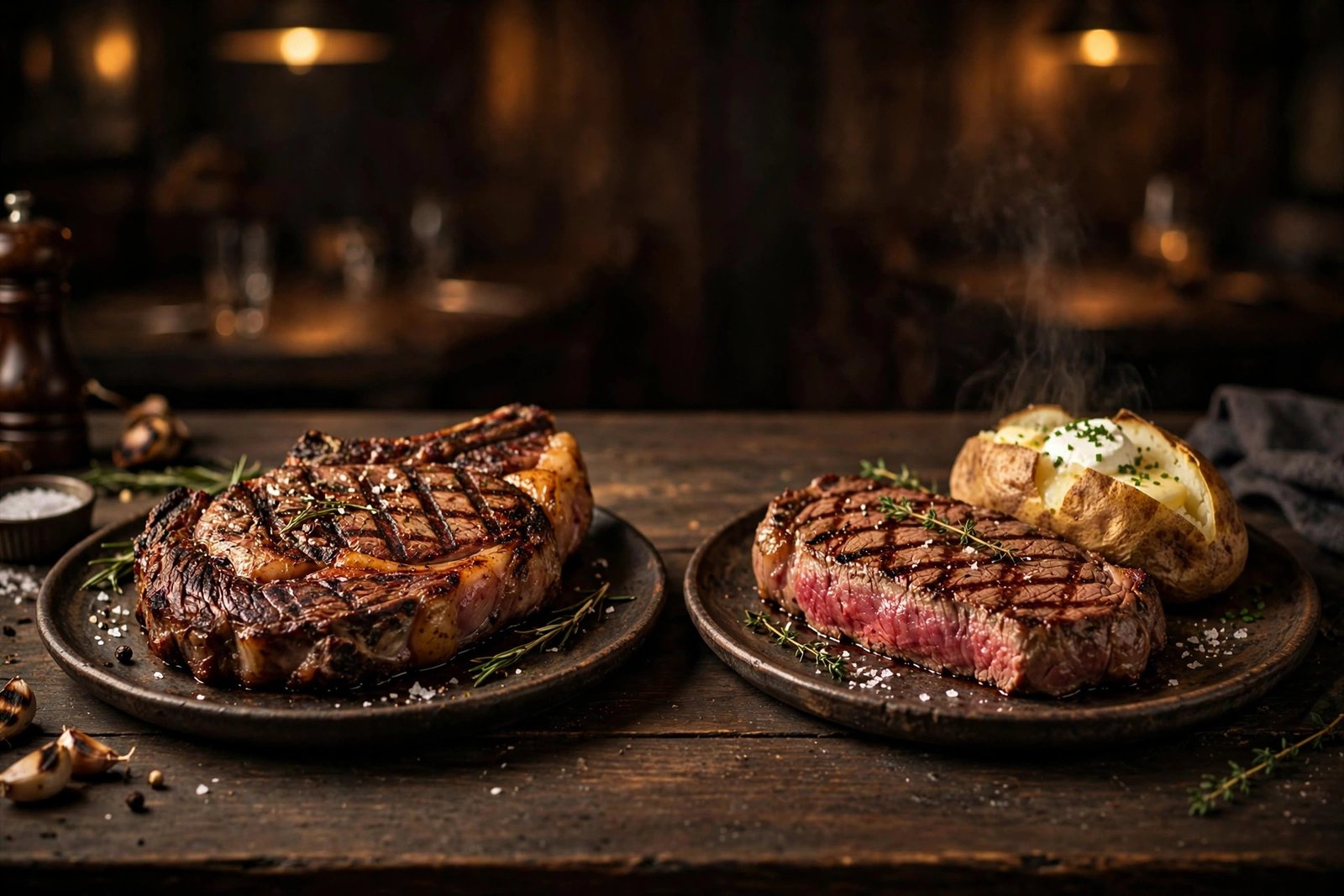
Steaks: Both grilled solid mid-price steaks. Lone Star’s mesquite grilling gave its ribeyes and filets a smokier edge that loyalists still miss; Texas Roadhouse’s hand-cut-in-house program is the industry’s gold standard for freshness at this price point.
Appetizers: The Texas Rose vs. the Cactus Blossom is almost a tie — same concept, same crowd-pleasing result. Lone Star’s Filet Mignon Queso and award-winning chili had genuine fans.
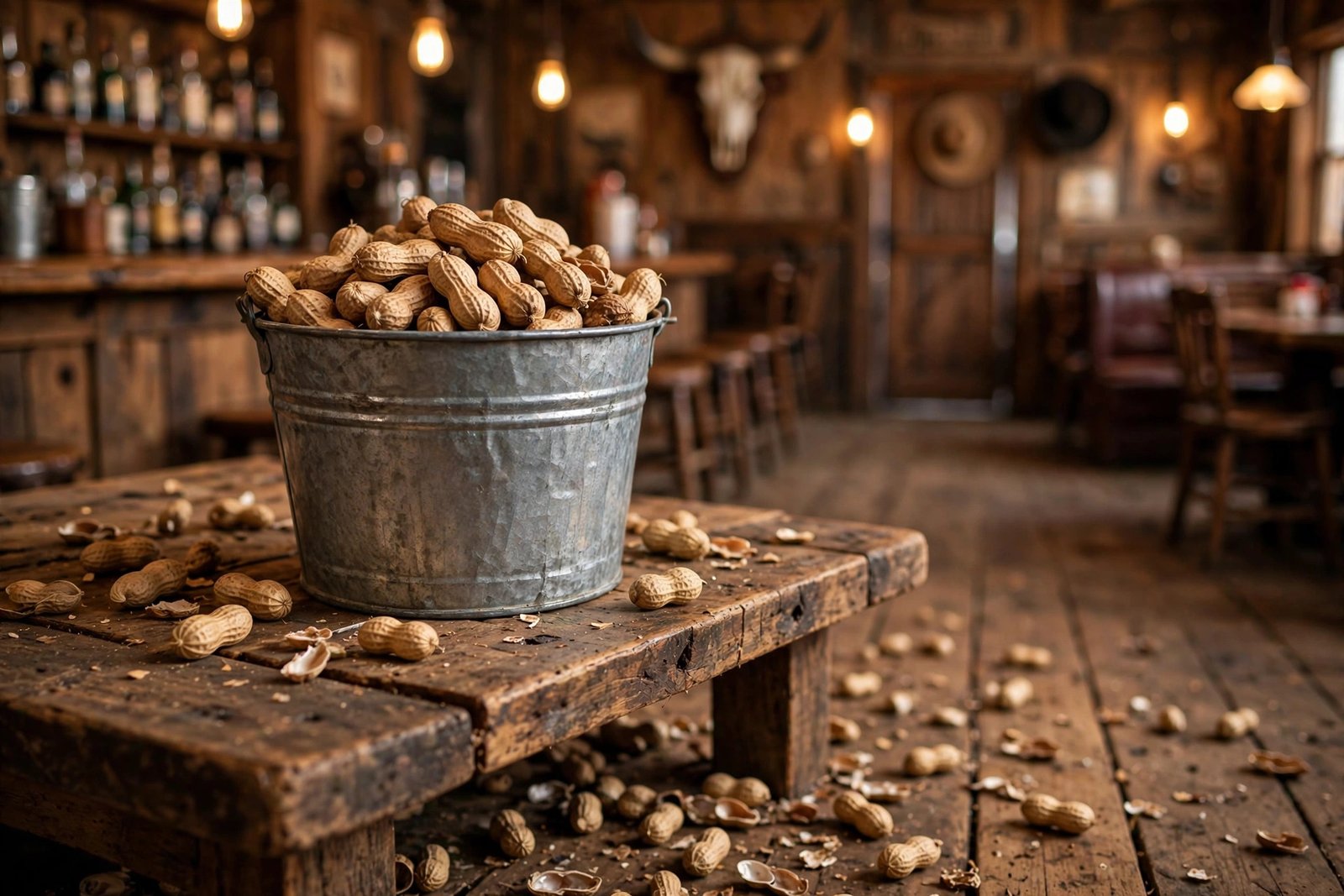
The free stuff: Lone Star gave you peanuts. Texas Roadhouse gives you peanuts and warm rolls with cinnamon butter. That small difference became a big one in customers’ memories.
Atmosphere: Both were loud, family-friendly, and fun — line dancing included. Lone Star’s peanut-shell floors were the more distinctive quirk; Texas Roadhouse’s jukebox-and-neon energy proved more repeatable across 700 locations.
The Verdict
Texas Roadhouse won — not because its steak was dramatically better, but because it was the better-run company: disciplined growth, a memorable brand, consistent execution, and ownership that invested instead of extracted. Lone Star is the proof that a beloved restaurant can still die from bad business decisions. If you want the full story, read our Lone Star locations and history guide.
And if you’re craving that style of steakhouse tonight, the modern heirs are all still open: compare LongHorn vs Texas Roadhouse to pick your spot, check our honest is LongHorn good? review, or browse the LongHorn menu with prices (2026).
Frequently Asked Questions
Is Lone Star Steakhouse better than Texas Roadhouse?
Many former regulars say Lone Star’s food — especially the mesquite-grilled steaks — was as good or better. But as businesses, there’s no contest: Texas Roadhouse thrived while Lone Star went bankrupt in 2017.
Are Lone Star Steakhouse and Texas Roadhouse the same company?
No. They were always separate, competing chains. Lone Star (founded 1989, Winston-Salem NC) predates Texas Roadhouse (founded 1993, Clarksville IN).
Why did Lone Star close but Texas Roadhouse survive?
Overexpansion before the Great Recession, private-equity ownership that stripped value, inconsistent food and service, and a weak brand identity — while Texas Roadhouse grew steadily, stayed consistent, and built memorable signatures like its rolls and hand-cut steaks.
What was Lone Star’s version of the Texas Roadhouse rolls?
Lone Star didn’t have an equivalent — its signature freebie was buckets of peanuts with shells tossed on the floor. Texas Roadhouse’s fresh-baked rolls with cinnamon butter became the more memorable ritual.
Did Lone Star have line dancing like Texas Roadhouse?
Yes — Lone Star servers were known for breaking into line dances across the peanut-shell-covered floors, a piece of roadhouse theater both chains shared.
Which is cheaper, Lone Star or Texas Roadhouse?
They competed in the same $12–$20 mid-price segment. Lone Star’s last-known menu had steaks roughly $13–$27; current Texas Roadhouse pricing is comparable. See our LongHorn vs Texas Roadhouse price comparison for the modern landscape.
Is there any Lone Star Steakhouse still open?
One — an independently operated restaurant in Tamuning, Guam. See our Lone Star locations guide for details.
What’s the closest restaurant to Lone Star Steakhouse today?
Texas Roadhouse is the closest living relative — same concept, same price segment, same roadhouse energy. LongHorn Steakhouse is the other top pick for mid-price steakhouse dining.
The Bottom Line
Lone Star Steakhouse vs Texas Roadhouse is really a story about execution beating nostalgia: two nearly identical concepts, and the one with disciplined growth, consistent food, and a brand people could remember is the one still standing. Lone Star’s mesquite-grilled steaks and Texas Rose live on only in memory (and in Guam) — but its rivals carry the torch. Start with our LongHorn vs Texas Roadhouse guide to find your new go-to steakhouse.
Related: Lone Star Steakhouse Menu With Prices (2026) · Lone Star Steakhouse Locations (2026) · LongHorn vs Texas Roadhouse · Is LongHorn Steakhouse Good?