“Meat glue” sounds scary — an enzyme that glues meat scraps into fake filet mignon. So does LongHorn Steakhouse use it? Here’s the honest, researched answer: what meat glue actually is, what evidence exists (and doesn’t), and what LongHorn really does with its beef.
The Short Answer: No Evidence LongHorn Uses Meat Glue
There is no credible evidence that LongHorn Steakhouse uses meat glue. No investigation, news report, or official source has ever said so. The claims circulating online are anonymous customer anecdotes — unverified speculation, not reporting.
That’s the honest position: no evidence of use, brand claims of whole-muscle cuts and in-house preparation — but also no specific on-the-record denial from Darden or LongHorn addressing transglutaminase by name. Here’s the full picture.
What Is Meat Glue, Actually?
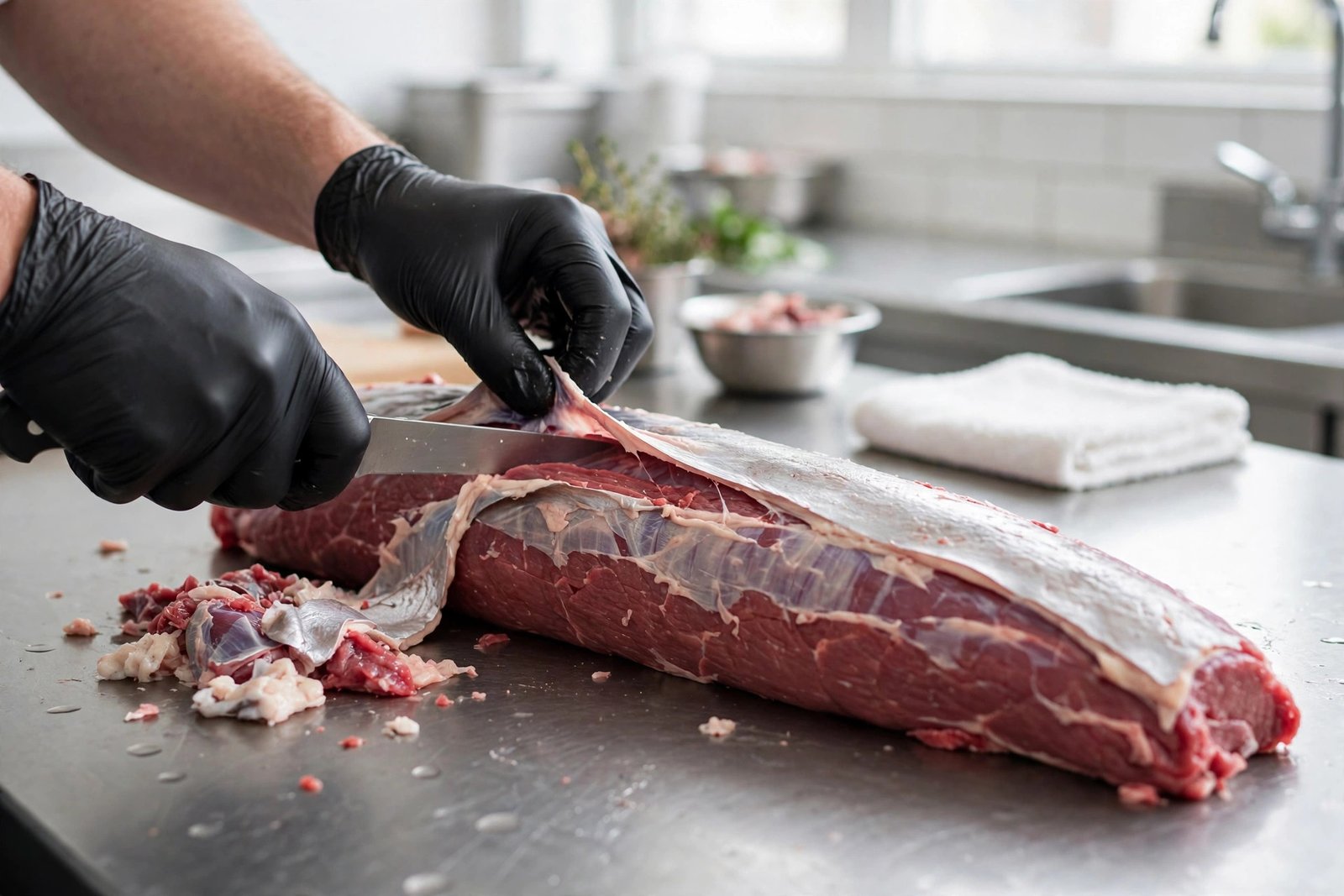
“Meat glue” is transglutaminase (TG) — an enzyme produced by bacterial fermentation that bonds proteins together. It’s a white powder that lets producers fuse meat pieces into uniform shapes: the tapered end of a beef tenderloin bonded into a round steak, bacon wrapped around a filet, or scraps pressed into a filet-mignon lookalike.
Legitimate mainstream uses include imitation crab, chicken nuggets, and fish sticks. Food-safety organizations consider TG itself safe to eat, and no foodborne illness has ever been linked to TG-produced meat, according to manufacturers. The one real concern: bonding moves surface bacteria into the interior, so glued products arguably should be cooked more like ground beef (160°F internal) rather than a rare steak.
One labeling quirk matters here: USDA rules require retail packages to list TG and stamp “formed” or “reformed” — but restaurants have no such labeling requirement. Diners never see the packaging.
Where the Rumor Comes From
The fear traces back to a 2012 San Francisco TV investigation that alleged some restaurants might use meat glue to pass off lower-quality cuts as premium steaks. TG manufacturers responded that they discourage such deceptive use, calling it illegal mislabeling. Since then, the accusation has been lobbed — without evidence — at various chains, including Texas Roadhouse (viral social posts) and Woolworths in Australia (which denied it, saying its steaks are whole muscle).
The LongHorn-specific “evidence” is a copy-pasted anonymous anecdote claiming a steak “was not filet, it was pieces of meat” glued together — repeated verbatim across low-quality FAQ aggregator sites. No name, no location, no verification. Several chains (Sizzler, Outback, Applebee’s, Chili’s, BJ’s) have been reported as denying meat-glue use, though that claim itself comes from a thinly-sourced FAQ page — treat it cautiously.
What LongHorn Actually Claims About Its Beef
LongHorn is owned by Darden Restaurants, whose brand line is: “Our fresh, never frozen steaks are boldly seasoned then grilled to perfection by our Grill Masters.”
Specifically, the company and its managers claim:
- USDA Choice, grain-finished beef — fresh, never frozen, aged for tenderness and flavor (per a LongHorn business manager).
- Hand-cut on-site daily — steaks arrive fresh (two weekly deliveries) and are trimmed and cut in each restaurant.
- Wet-aged — vacuum-sealed and aged for multiple weeks for tenderness.
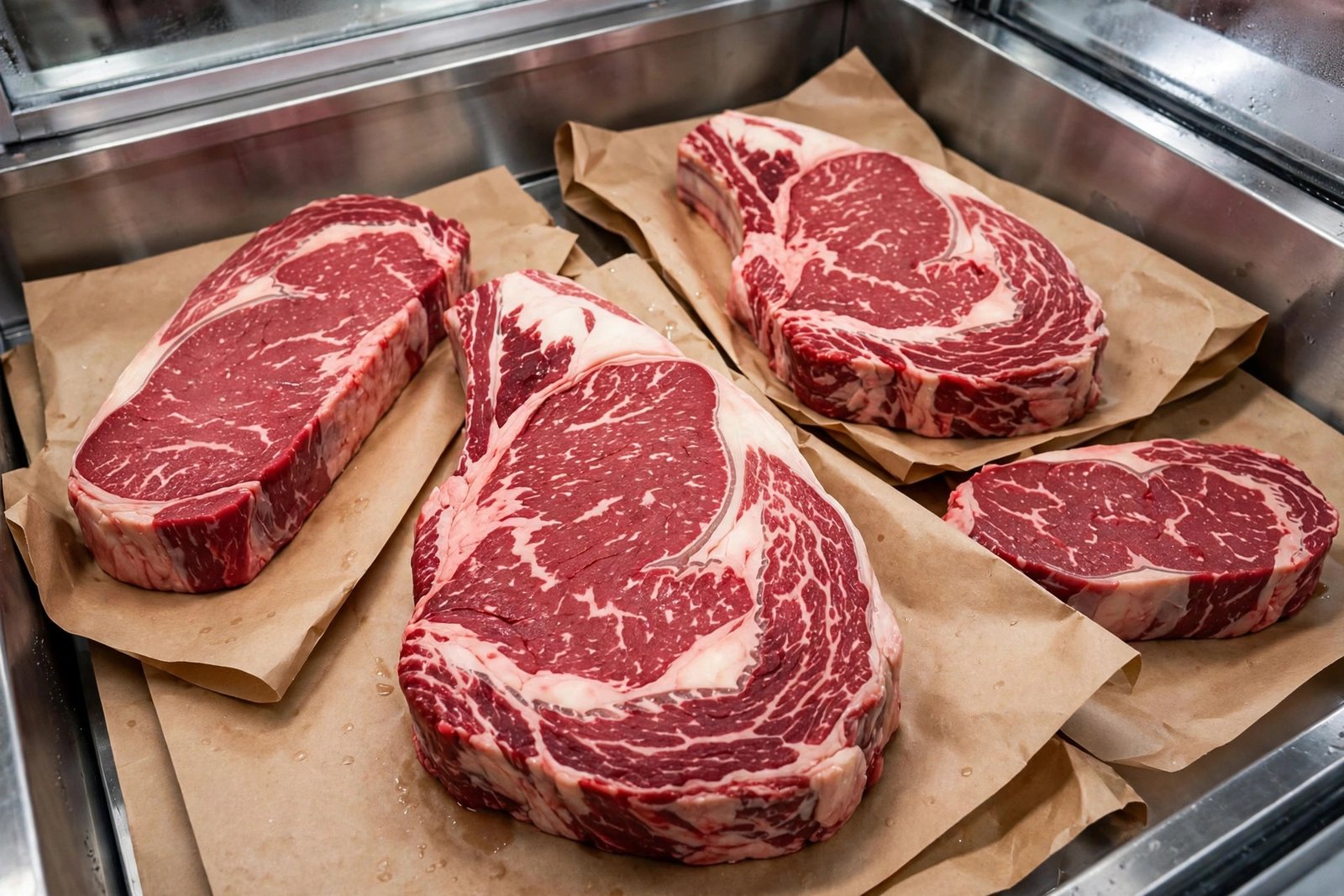
Fresh-never-frozen plus in-house cutting is consistent with whole-muscle steaks — a glued product wouldn’t need daily hand-cutting. But to be fully honest: that consistency isn’t proof either. The fair summary is no evidence of use + whole-cut preparation claims + no specific denial on record.
How to Spot Glued (“Formed”) Meat Anywhere
Whether at LongHorn or anywhere else, these are the signs of formed meat:
- Perfectly uniform shape — unnaturally round, identical medallions with no natural taper or grain variation.
- No visible muscle grain — a cross-section that looks homogenous instead of showing natural fiber direction.
- Suspiciously low price — a “filet mignon” priced like ground beef is a red flag.
- Falls apart oddly — separating along invisible seams rather than tearing along grain.
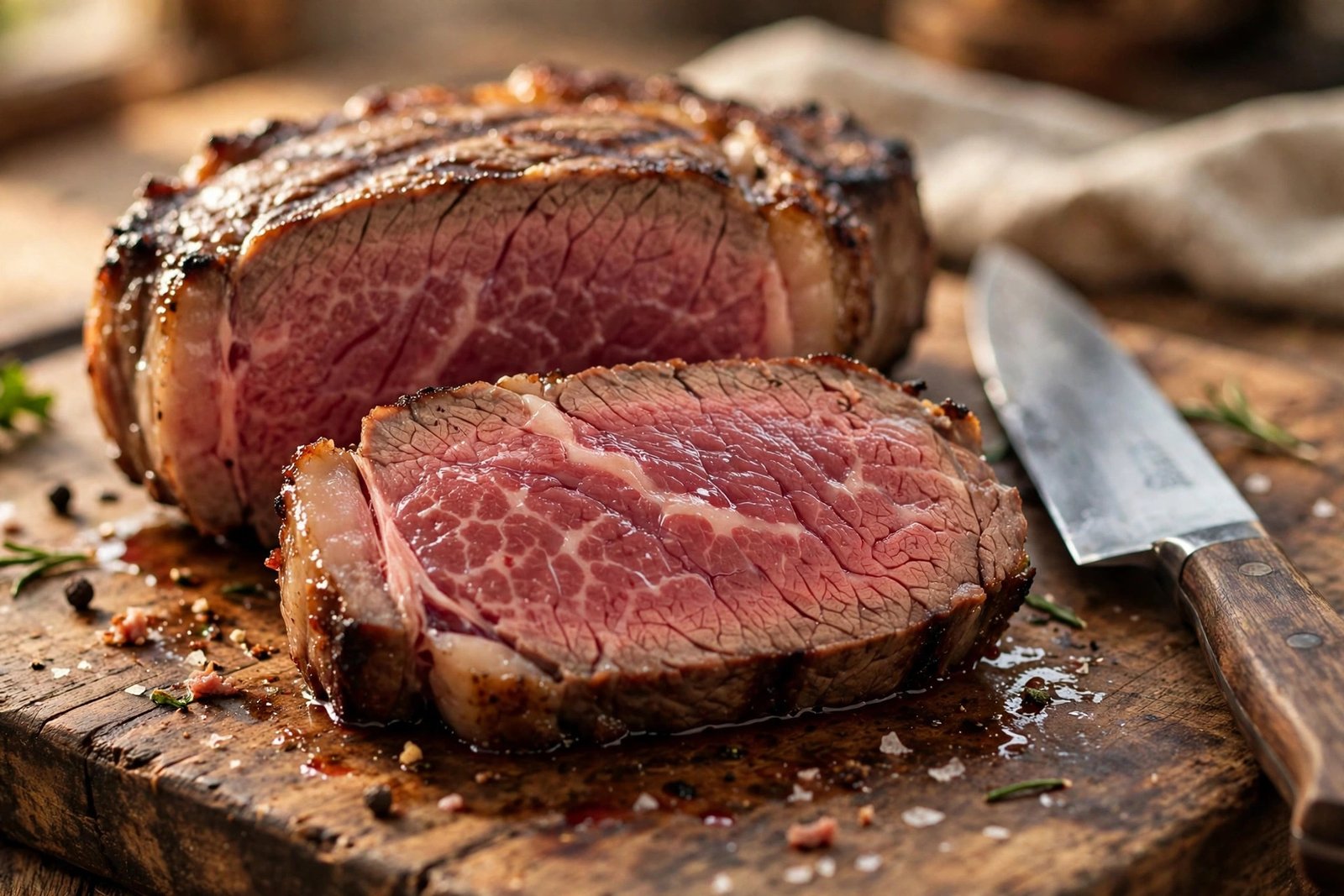
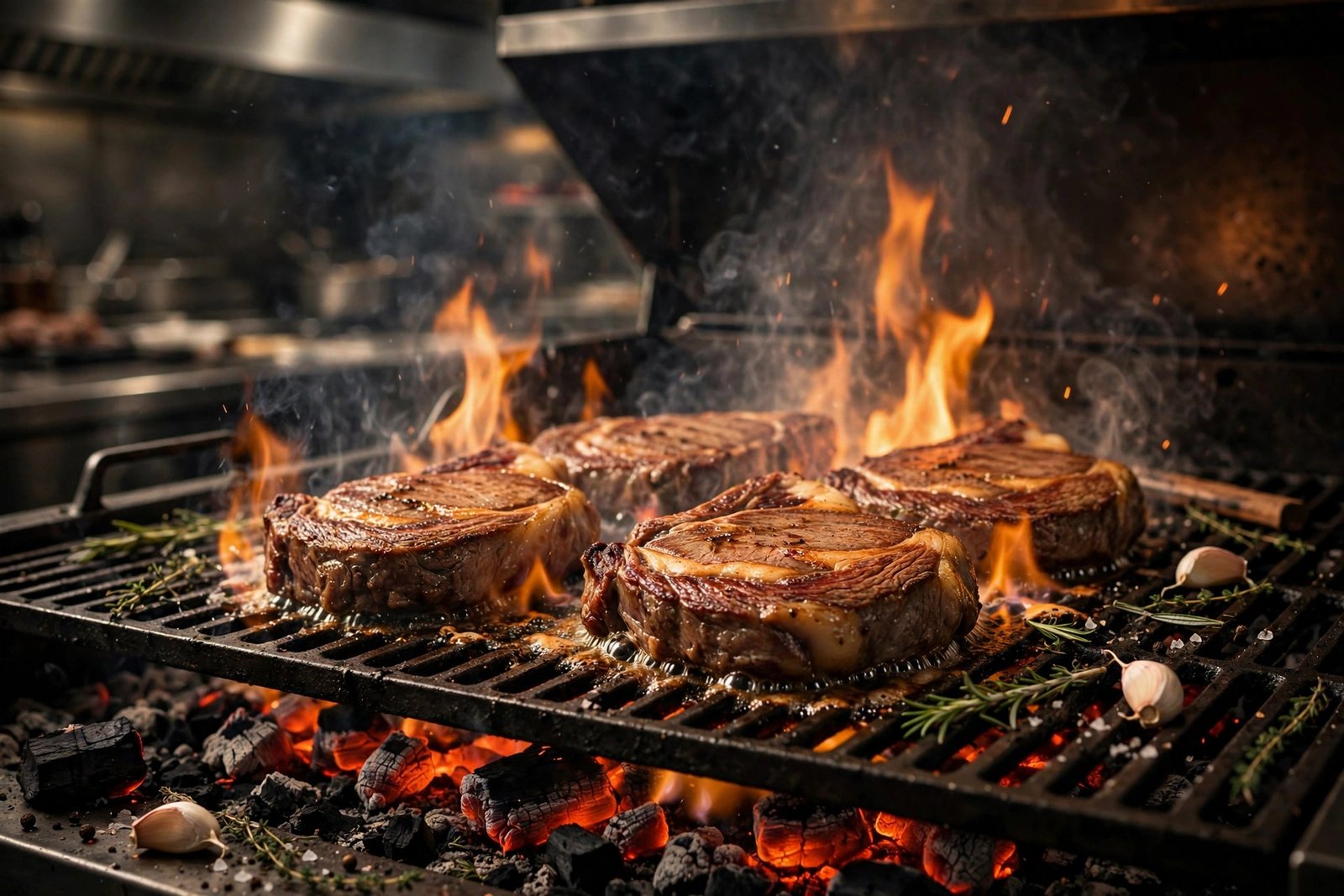
A LongHorn Flo’s Filet or Outlaw Ribeye shows natural marbling, irregular shape, and visible grain — the opposite of a formed product.
For more on what LongHorn serves, see our LongHorn menu with 2026 prices and is LongHorn Steakhouse healthy — and our best steak at LongHorn ranking.
Frequently Asked Questions
Does LongHorn Steakhouse use meat glue in its steaks?
There is no credible evidence that it does. No investigation or official source has reported meat-glue use at LongHorn, and the company’s stated preparation — fresh, never-frozen beef hand-cut in-house daily — is consistent with whole-muscle steaks.
What is meat glue made of?
Transglutaminase, an enzyme produced by bacterial fermentation that bonds proteins together. It’s used in products like imitation crab and chicken nuggets, and is considered safe to eat by food-safety organizations.
Is meat glue safe to eat?
Major food-safety organizations consider transglutaminase itself safe, and no foodborne illness has been linked to it. The debated concern is that bonded meat moves surface bacteria inside, so formed products should be cooked more thoroughly than intact steaks.
What grade of beef does LongHorn Steakhouse use?
USDA Choice, grain-finished beef (with a USDA Prime Delmonico as the one Prime-graded exception) — fresh, never frozen, according to the company and its managers.
Are LongHorn steaks fresh or frozen?
Fresh, never frozen, per the company’s stated policy — delivered fresh twice weekly and hand-cut in each restaurant daily.