If you want steakhouse flavor on a budget at LongHorn Steakhouse, the renegade sirloin is the cut you keep coming back to. It is the chain’s lean, hardworking center-cut top sirloin — seasoned with LongHorn’s signature Prairie Dust, grilled over an open flame, and priced as the most affordable hand-cut steak on the menu. This guide covers the whole topic: the official description, the 6 oz, 8 oz and 11 oz sizes, calories and full nutrition, fan-reported prices, the seasoning, the Redrock Grilled Shrimp pairing, and how fans order and recreate it at home.
What Is the Renegade Sirloin?
LongHorn’s own menu describes it this way: “Lean and hearty USDA Choice center-cut top sirloin seasoned with our signature Prairie Dust.” That single line tells you almost everything that matters. The cut is top sirloin — the lean, beefy muscle from the rear of the cow — cut from the center for a more uniform, even-cooking steak than an end cut. It carries the USDA Choice grade, and it gets LongHorn’s proprietary Prairie Dust seasoning before it hits the grill.
The renegade sirloin is positioned as the entry point to LongHorn’s “Legendary Steaks” lineup. It comes with your choice of side and a house salad (usually described as a hand-chopped salad), so it arrives as a complete steakhouse plate rather than an a-la-carte slab. Because sirloin is one of the leaner steak cuts, this is also the steak that health-conscious diners, keto eaters, and high-protein dieters reach for first.
Why Is It Called “Renegade”? What Makes It Renegade?
“Renegade” is not a butchery term — you will not find it in any meat-science textbook. It is LongHorn’s trade name for this steak, part of the chain’s frontier-styled naming tradition that also gave us the Outlaw Ribeye. LongHorn was founded in Atlanta in 1981 with a Texas roadhouse theme, and its menu has always leaned on bold, Western names. The underlying cut is a standard USDA Choice top sirloin; what makes it a renegade sirloin, in the menu’s own telling, is the center cut, the Prairie Dust seasoning, and the fire grilling.
That distinction matters if you are comparing it to a grocery-store sirloin. A center-cut top sirloin is more even in thickness, so it cooks more uniformly than a tapered end cut. Add LongHorn’s heavy seasoning hand and an open-flame grill, and you get a steak that eats bigger than its price suggests — which is exactly why it has a loyal following despite its lean reputation.
Renegade Sirloin Sizes and Calories
The renegade sirloin comes in three sizes at most locations: 6 oz, 8 oz, and 11 oz. LongHorn prints calorie counts for each right on the menu, and independent nutrition trackers match those numbers closely. Here is the official calorie lineup, steak only (before sides, salad, or toppers):
| Size | Calories (steak only) | Fat | Protein | Carbs | Sodium |
|---|---|---|---|---|---|
| 6 oz | 320 | 15 g | 36 g | 2 g | ~480–530 mg |
| 8 oz | 390 | 16 g | 51 g | 2 g | 670 mg |
| 11 oz | 480 | 17 g | 72 g | 0.5 g | 740 mg |
A few notes on reading this table honestly. The calorie figures come from LongHorn’s own menu calorie listings, which federal rules require for chains of this size — so they are the closest thing to official nutrition data available. The fat, protein, and sodium figures come from widely used nutrition trackers (FatSecret, CalorieKing, Carb Manager) that aggregate the chain’s published data; small differences between sources are normal. Cholesterol runs about 85 mg for the 6 oz, 125 mg for the 8 oz, and 180 mg for the 11 oz.
The 6 oz is the lowest-calorie steak entree LongHorn serves, and at 36 grams of protein with just 2 grams of carbs, it is also one of the most keto-friendly plates in the building. For the full guide to what everything on the menu costs and contains, see our LongHorn Steakhouse menu with prices for 2026.
How Much Does the Renegade Sirloin Cost?
LongHorn states on its own site that menu prices vary slightly by location, and it asks diners to select their nearest restaurant for exact numbers. So treat every dollar figure below as fan-reported at some locations — it varies, so confirm locally. Across 2026 menu trackers, the going range looks like this:
| Size | Reported price range (2026) | Per-ounce value |
|---|---|---|
| 6 oz | $15.49–$18.29 | roughly $2.60–$3.05/oz |
| 8 oz | $18.49–$21.79 | roughly $2.30–$2.72/oz |
| 11 oz | $22.49–$23.99 | roughly $2.04–$2.18/oz |
Individual reports line up with those bands: one 2026 tracker lists $17.79 for the 6 oz and $20.79 for the 8 oz at an Orlando location; another sampled $18.29 and $21.79; a Chowhound reviewer paid about $16.50 for the 6 oz plate including salad and side. The pattern is consistent: the 8 oz is the better per-ounce buy than the 6 oz, and the 11 oz drops the per-ounce cost further still. Remember that the plate includes your choice of side and a house salad, which is part of why this steak is widely called the best value on the menu.
Also worth knowing: the renegade sirloin shows up in LongHorn’s value programs. The lunch menu has offered a smaller Renegade Sirloin lunch cut on weekdays, and the chain’s rotating “Featured Flavors” promotions have bundled a 6 oz renegade sirloin with an appetizer or dessert, a salad, a side, and unlimited honey wheat bread as a complete dinner. Deals rotate, so check the current LongHorn specials before you plan around one.
The Prairie Dust Seasoning
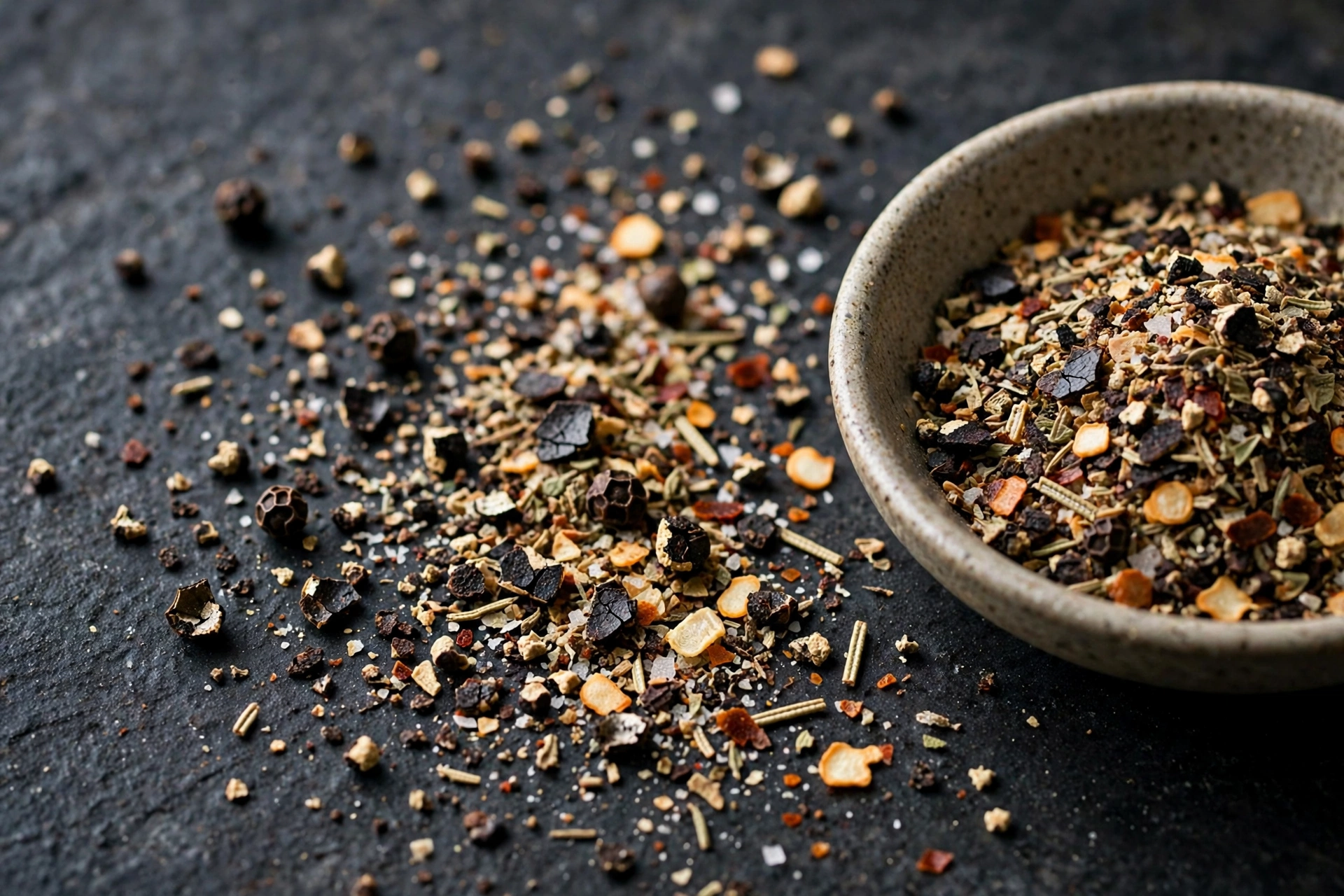
Every renegade sirloin is seasoned with LongHorn’s signature Prairie Dust, the house steak seasoning. LongHorn does not publish the Prairie Dust formula — it is a proprietary blend — so anything you read about its exact ingredients is a fan guess, not an official fact. Fan recipe sites commonly describe it as a peppery blend built on black pepper with garlic powder, onion powder, and paprika; one steak ranking described the renegade’s crust as “bold and peppery” without overpowering the meat. Treat those ingredient lists as reported-by-fans, not confirmed.
What reviewers consistently confirm is the seasoning’s character: assertive, pepper-forward, and generous. The Eat This ranking of every LongHorn steak specifically praised the sirloin’s bold, peppery crust, and several diners note that the seasoning is what makes the lean cut taste like a proper steakhouse steak rather than a plain grilled sirloin. If you are salt-sensitive, be aware that a few reviewers have called the seasoning heavy — you can always ask for light seasoning when you order. For a deeper dive into the chain’s blends, see our LongHorn steak seasoning guide.
Renegade Sirloin vs. Other LongHorn Steaks
Where does the renegade sit in the lineup? Here is an honest comparison against the cuts people cross-shop it with:
| Cut | Character | Typical size | Calories (smallest) | Best for |
|---|---|---|---|---|
| Renegade Sirloin | Lean, hearty, firm chew | 6 / 8 / 11 oz | 320 | Budget, high-protein, lean eating |
| Flo’s Filet | Most tender, buttery, mild | 6 / 8 / 10 oz | ~330 | Tenderness-first diners |
| Outlaw Ribeye | Richly marbled, bold, 20 oz bone-in | 20 oz | ~1,280 | Flavor maximalists, sharing |
| NY Strip | Balanced chew, beefy | 12 oz | ~700+ | Classic steakhouse middle ground |
| LongHorn Porterhouse | Two cuts in one, 22 oz | 22 oz | ~1,200+ | The special-occasion order |
The trade-off is the classic one: fat is flavor and tenderness, and sirloin is lean by design. Chowhound’s steak ranking placed the renegade last among LongHorn’s cuts for tenderness, calling it the toughest bite on the menu — while also noting it was the most affordable and well-seasoned. The Eat This ranking, by contrast, found it impressively seasoned with just enough marbling to stay juicy. Both can be true: sirloin varies more from steak to steak than ribeye does, and the grill master’s hand matters.
The Redrock Grilled Shrimp Pairing
The most popular way to upgrade a renegade sirloin is LongHorn’s Signature Steak Pairings menu, which lets you add Redrock Grilled Shrimp, Parmesan Crusted Chicken, or a half-rack of baby back ribs to the 6 oz sirloin. The shrimp pairing is the classic surf-and-turf move: grilled shrimp seasoned in LongHorn’s smoky Redrock style, served over the steak or alongside it.
Nutrition for the combo, per the trackers: the 6 oz renegade sirloin with Redrock Grilled Shrimp totals about 480 calories, 18 g fat, 4 g carbs, and 66 g protein. The shrimp alone runs about 160 calories. Fan-reported pricing for the combo has landed around $25–$28 in 2026 — again, reported at some locations, varies, confirm locally. If surf-and-turf is your thing, the seafood side of the menu is worth exploring too, including the bourbon-marinated LongHorn salmon, which also pairs with Redrock shrimp in its own combo.

How to Order the Renegade Sirloin Like a Regular
Sirloin is a working muscle, so it has a firmer, more defined chew than a ribeye or filet — that is the nature of the cut, not a flaw. Two schools of thought exist on doneness, and both are worth hearing:
- The medium camp: several menu guides recommend medium (140–145°F) for sirloin, arguing the lean cut needs a bit more heat than a ribeye to eat well and render its modest marbling.
- The rare-to-medium-rare camp: reviewers who rank the cut for tenderness (notably Chowhound) advise ordering rare to medium-rare (125–135°F), because lean cuts toughen faster as they cook past medium.
Practically speaking, medium-rare is the sweet spot for most diners: warm red center, juicy, and the most forgiving if the grill runs a touch hot. Order it medium if you prefer a warmer center, but avoid going past medium-well — that is where lean sirloin turns chewy. Standard steak doneness temperatures for reference: rare 120–125°F, medium-rare 130–135°F, medium 140–145°F, medium-well 150–155°F, well done 160°F+.
A few more ordering tips from regulars: ask for light seasoning if you are salt-sensitive (the Prairie Dust hand is generous); pair it with a rich side like the loaded baked potato or mac and cheese to balance the leanness; and if you are splitting the difference on hunger, the 8 oz is the consensus value pick — meaningfully more steak than the 6 oz for a smaller price step.
Is the Renegade Sirloin Healthy?
By steakhouse standards, yes — it is arguably the healthiest steak on LongHorn’s menu. The 6 oz delivers 36 grams of protein for 320 calories with only 2 grams of carbs, which makes it a natural fit for high-protein, low-carb, and keto-style eating. It is also the lowest-sodium steak option on the menu at roughly 480–530 mg for the 6 oz (before sides). Compare that to the 20 oz Outlaw Ribeye at around 1,280 calories, and the gap is enormous.
The honest caveats: restaurant steak is salted aggressively, so if you are managing blood pressure, ask for light seasoning and check the sodium in your side choices. And the “healthy” math only covers the steak — a loaded baked potato, fries, and a couple of slices of the complimentary LongHorn honey wheat bread will change the plate’s totals dramatically. Build the plate deliberately and the renegade sirloin is one of the cleanest steakhouse orders you can make.
Fan Copycat Ideas (Not the Official Recipe)
LongHorn does not publish the Prairie Dust formula or its exact grill method, so every “copycat renegade sirloin” recipe online is a fan recreation — good ones get close on flavor, but none of them is official. That said, the fan consensus on recreating the experience at home is consistent:
- Start with a center-cut top sirloin, 1 to 1.25 inches thick, USDA Choice if you can find it. Even thickness matters more than exact weight.
- Season aggressively. Fan copycat blends for Prairie Dust generally combine coarse black pepper, garlic powder, onion powder, paprika, and kosher salt. Coat the steak heavily on all sides about 30–40 minutes before cooking so the salt can start working.
- Get the grill ripping hot and cook over direct high heat, aiming for an internal temperature of 130–135°F for medium-rare. Sirloin is lean — a hot, fast sear with a short rest beats a slow cook.
- Rest 5–10 minutes before slicing, and slice against the grain. Slicing with the grain is the fastest way to make sirloin eat chewy.
Want the full surf-and-turf? Fan recreations of the Redrock shrimp generally use large shrimp tossed in smoked paprika, garlic, and a pinch of cayenne, grilled fast and finished with butter. Again — a fan approximation, not the restaurant’s recipe.
What Diners Actually Say
Reviews of the renegade sirloin split along a predictable line: value and seasoning get praise; tenderness gets honest debate. A July 2026 Tripadvisor reviewer reported her husband’s renegade sirloin with shrimp arrived “tender and juicy” even ordered well done. A Sugar Land reviewer called the lunch renegade “tender and flavorful at medium rare.” On the other side, professional rankings (Chowhound, ShopFood) placed it last among LongHorn’s steaks for tenderness while praising its seasoning and price. The takeaway from the crowd: this is the steak you order for bold flavor and value, not for melt-in-your-mouth tenderness — and ordered medium-rare with the grain sliced right, most diners leave happy.
For the official word on anything here — current sizes, exact local price, today’s featured pairings — the official LongHorn menu is the source of truth. And if you are weighing the sirloin against the chain’s signature pairing options, our guide to Parmesan Crusted Chicken at LongHorn covers the other half of that pairings menu.
Renegade Sirloin FAQs
How much is the Renegade Sirloin at LongHorn?
Fan-reported prices in 2026 generally land around $15.49–$18.29 for the 6 oz, $18.49–$21.79 for the 8 oz, and $22.49–$23.99 for the 11 oz, each including a side and a house salad. LongHorn confirms prices vary by location, so confirm with your local restaurant.
How many calories are in the Renegade Sirloin?
Per LongHorn’s menu calorie counts, the 6 oz has 320 calories, the 8 oz has 390 calories, and the 11 oz has 480 calories — steak only, before sides or salad. That makes the 6 oz the lowest-calorie steak entree on the menu.
What cut of meat is the Renegade Sirloin?
It is a USDA Choice center-cut top sirloin. “Renegade” is LongHorn’s trade name for it, in keeping with the chain’s frontier-styled menu names like the Outlaw Ribeye — it is not a butchery term.
What is Prairie Dust seasoning made of?
LongHorn does not publish the Prairie Dust formula, so no ingredient list is official. Fan recipe sites commonly describe it as a pepper-forward blend with garlic powder, onion powder, and paprika. Reviewers consistently describe the crust as bold and peppery.
Is the 6 oz or 8 oz Renegade Sirloin the better value?
The 8 oz is the better per-ounce buy. Reported prices put the 6 oz at roughly $2.60–$3.05 per ounce versus about $2.30–$2.72 for the 8 oz, so you get about a third more steak for a much smaller price step.
What is the best doneness for the Renegade Sirloin?
Medium-rare (130–135°F) is the consensus pick: juicy with a warm red center. Some guides suggest medium (140–145°F) for sirloin’s dense structure, while tenderness-focused reviewers advise rare to medium-rare. Avoid cooking past medium-well, where lean sirloin turns chewy.
What comes with the Renegade Sirloin?
Every order includes your choice of side and a house salad (typically a hand-chopped salad). The Signature Steak Pairings menu also lets you add Redrock Grilled Shrimp, Parmesan Crusted Chicken, or baby back ribs to the 6 oz sirloin.
How many calories is the Renegade Sirloin with Redrock Grilled Shrimp?
The 6 oz renegade sirloin paired with Redrock Grilled Shrimp totals about 480 calories, with 18 g fat, 4 g carbs, and 66 g protein, according to nutrition trackers. The shrimp portion alone is about 160 calories.
Is the Renegade Sirloin healthy?
By steakhouse standards, yes. The 6 oz has 320 calories, 36 g protein, 2 g carbs, and roughly 480–530 mg sodium — the leanest, lowest-calorie, and lowest-sodium steak on LongHorn’s menu. Ask for light seasoning if you are watching sodium.
Can I make a copycat Renegade Sirloin at home?
Fans recreate it with a center-cut top sirloin, a heavy hand of a peppery copycat Prairie Dust blend (black pepper, garlic powder, onion powder, paprika, salt), a ripping-hot grill to 130–135°F internal, a 5–10 minute rest, and slicing against the grain. It is a fan approximation — LongHorn’s actual formula is proprietary.