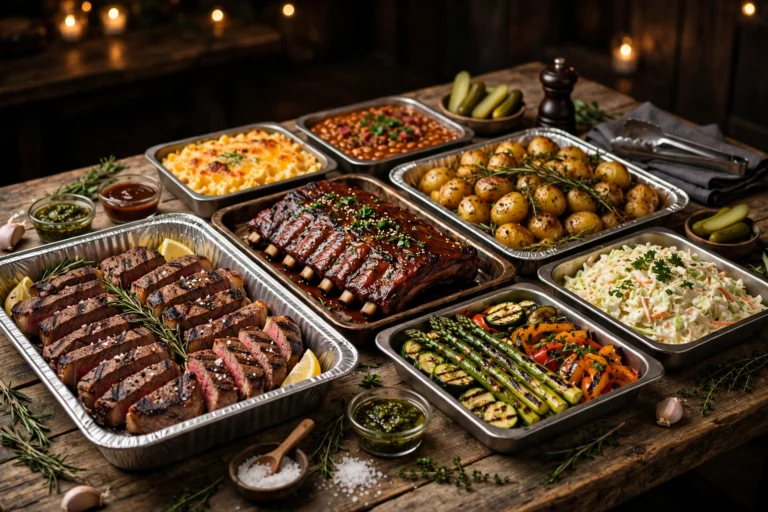

Ask a LongHorn regular what makes the steaks taste like LongHorn, and the answer is almost always the same: the seasoning. Longhorn steak seasoning — headlined by the famous Prairie Dust blend — is the bold, smoky, peppery crust on every steak that leaves the grill. It’s one of the most searched LongHorn topics in existence, and this guide covers it completely: what the seasoning tastes like, the three house blends and which cuts get which, how the flavor actually gets built, and a fan-made copycat recipe you can mix from pantry spices.
One important note up front: LongHorn has never published its official recipes. Everything below about the restaurant’s actual blends comes from former-employee accounts and fan reporting. The copycat recipe is explicitly a fan version — a close-tasting approximation, not the official formula.
What Is LongHorn Steak Seasoning?
LongHorn’s signature steak seasoning is the house blend fans know as Prairie Dust — a savory, smoky, lightly spicy rub that gives LongHorn steaks their bold, well-seasoned crust. Based on fan and former-employee descriptions, the flavor profile leans on kosher salt, coarse cracked black pepper, paprika, and garlic, with warm background notes of coriander, cumin, and turmeric (the turmeric is widely credited for the blend’s signature golden “dust” color) and a gentle kick of cayenne and white pepper.
It’s assertive without being hot — most of the flavor comes from salt, pepper, paprika, and garlic rather than raw heat. That balance is the point: the seasoning is built to survive a screaming-hot grill and come out as a crust, not to overpower the beef. If you’ve ever wondered why a LongHorn steak tastes different from a steak you salt-and-peppered at home, this blend — plus the grill and the finishing sauce below — is the difference.
The 3 House Blends: Char, Grill, and Prairie Dust
Here’s what surprises most people: “LongHorn steak seasoning” isn’t one thing. According to former LongHorn employees who’ve described the system publicly, the kitchen runs three distinct proprietary blends, each matched to specific cuts and cooking methods:
| Blend | Flavor Profile | Used On |
|---|---|---|
| Char Seasoning | Smoky with a caramelizing sweetness (reported to include sugar for crust-building) | Bone-in, fire-grilled cuts — ribeye, T-bone, porterhouse; also the smoky chicken wings |
| Grill Seasoning | Simpler and cleaner — garlic powder, salt, paprika, onion powder | Boneless, flat-top-grilled cuts like Flo’s Filet (the flat-top variant reportedly contains dill seed, which is left out of the char version because dill burns over open flame) |
| Prairie Dust | Peppery, warmly spiced — black pepper, cayenne, coriander, paprika, turmeric | The all-purpose blend: grilled sirloin, plus chicken, pork, fries, and vegetables across the menu |
The insider hack, straight from a former employee: you can swap seasonings on request. Diners report successfully asking for the char seasoning on cuts that don’t normally get it, or asking for any steak lightly seasoned if the standard dusting is too bold for them. The blends aren’t interchangeable at home without thought — char’s sweetness is built for fatty bone-in cuts over flame — but in the restaurant, the kitchen will work with you.
How LongHorn Steaks Actually Get Their Flavor
The seasoning is only one leg of a three-legged stool. Here’s the full system, as described by former employees and regulars:
- The beef itself. LongHorn’s steaks are fresh, never frozen, and trimmed and cut in-house. No seasoning can fix commodity beef, and LongHorn starts with a solid foundation.
- The seasoning + the grill. Steaks get a generous coating of the appropriate blend, then hit serious heat — bone-in cuts and NY strips on the char grill over open flame, boneless cuts on the flat-top. The heat does half the work, caramelizing the rub into a crust.
- The finishing sauce. This is the detail most copycats miss. Former employees describe a lemon-flavored basting sauce — one described it as a liquid oil/margarine base with lemon flavoring — applied as the final touch. Redditors who’ve worked the line say it’s what gives LongHorn steaks their distinct flavor versus other steakhouses. One taster broke it down as melted butter, salt, garlic, and lemon.
So if your at-home copy tastes close but not quite right, the missing piece is probably the lemon-butter finish, not the rub. A spoonful of melted butter with a squeeze of lemon and a pinch of garlic, brushed on during the rest, gets you surprisingly close to the restaurant effect.
Fan Copycat LongHorn Steak Seasoning (Prairie Dust Style)
This is a fan-made copycat version, not LongHorn’s official recipe — the real formula has never been published. But it recreates the Prairie Dust flavor profile (salty, peppery, smoky, warmly spiced, gently hot) from ordinary pantry spices, and it’s the version fan recipe developers keep coming back to. It takes about five minutes and makes roughly half a cup.
Ingredients
- 2 tbsp kosher salt
- 1 tbsp coarse black pepper
- 1 tbsp smoked paprika
- 2 tsp garlic powder
- 2 tsp onion powder
- 1 tsp ground coriander
- 1 tsp ground cumin
- 1 tsp turmeric (for the signature golden color)
- ½ tsp cayenne pepper (adjust to taste)
- ½ tsp ground white pepper
Numbered Steps
- Add the kosher salt, black pepper, smoked paprika, garlic powder, onion powder, coriander, cumin, turmeric, cayenne, and white pepper to a small bowl.
- Whisk or stir until the blend is completely even in color with no clumps — the turmeric should tint everything a uniform golden-brown.
- Taste a pinch and adjust: more cayenne for heat, a touch more salt if it tastes flat.
- Transfer to a clean, airtight jar or shaker. Label it with the date.
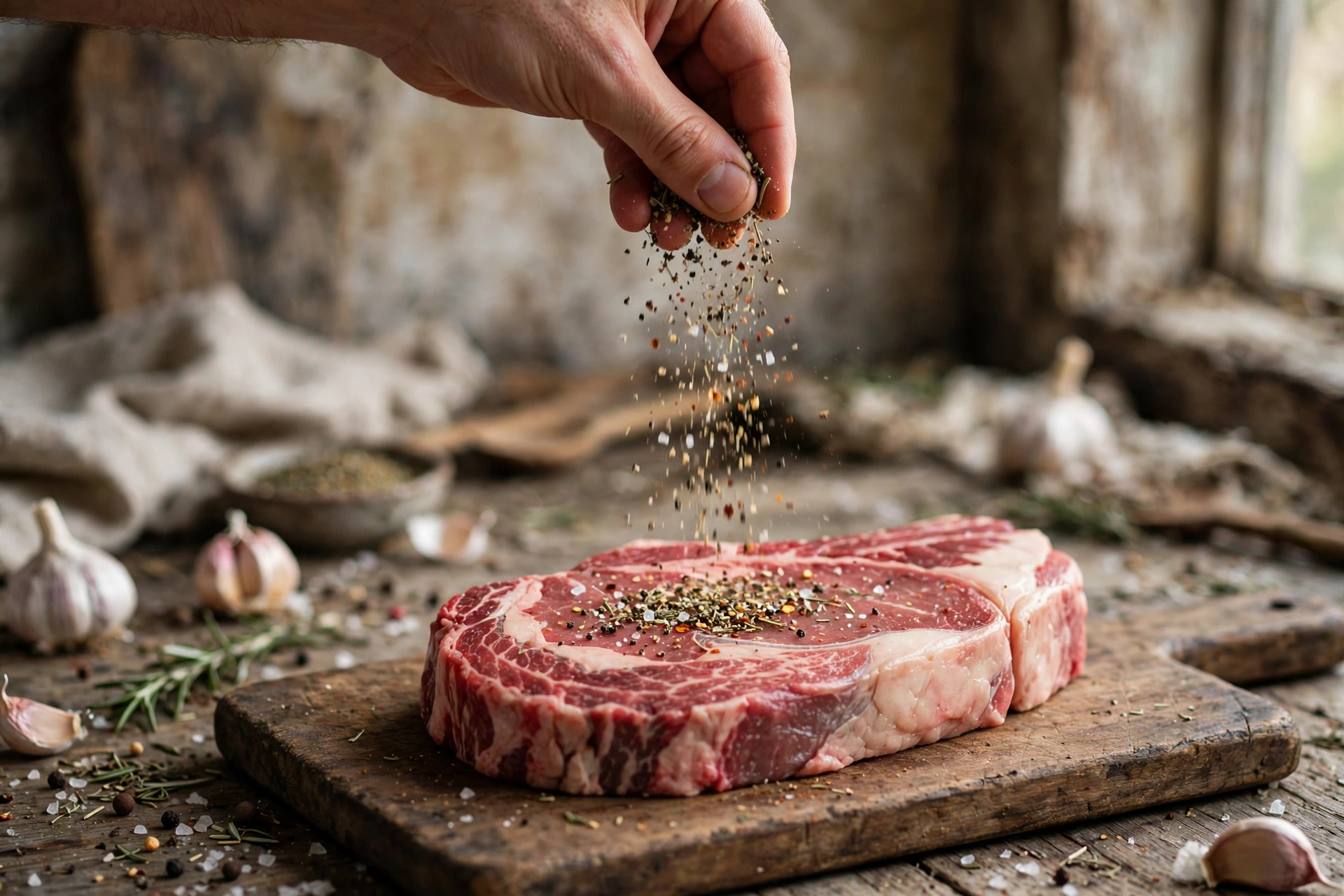
- To use: pat the steak completely dry, coat both sides generously (press it in — don’t just sprinkle), and let it rest 30 minutes at room temperature before grilling or searing over high heat to your desired doneness.
- Rest the cooked steak 5 minutes before slicing so the juices redistribute.
Storage: airtight, away from heat and light, up to 6 months — though a jar this useful rarely lasts that long. Shake before each use since the fine spices settle.
How to Use It at Home (Beyond Steak)
Prairie Dust-style seasoning is an all-purpose blend in the restaurant — it seasons chicken, pork, fries, and vegetables across LongHorn’s menu — so don’t fence it in at home:
- Steaks: the obvious use. Best on sirloin and strip; go lighter on delicate filet.
- Burgers: mix a teaspoon per pound into the grind, or season the exterior before smashing.
- Chicken: excellent on grilled thighs and breasts — the turmeric gives beautiful color.
- Pork chops and ribs: the warm spices (coriander, cumin) love pork.
- Roasted potatoes and fries: toss hot fries with a pinch straight out of the oil.
- Vegetables: roasted broccoli, corn on the cob, and grilled peppers all take it well.
Variations fans report: a 7-pepper style with extra cayenne and red pepper flakes for more heat; a low-sodium version with the salt halved; an extra-smoky version with chipotle powder; even a coffee-rubbed twist with a teaspoon of finely ground coffee for a deeper crust.
What to Buy: Store-Bought Options
If you’d rather buy than blend, you have two routes. LongHorn has sold its branded seasoning at restaurants and online at various times — availability comes and goes, so check the official site or ask at your local restaurant. When it’s unavailable, any quality “steakhouse” or “steak rub” from the spice aisle gets you partway there — but check the label: turmeric and coriander on the ingredient list are the tell that a blend is chasing the Prairie Dust profile rather than a generic salt-and-pepper rub. Don’t confuse it with Texas Roadhouse-branded seasoning, which fans note leans heavier on cumin and tastes distinctly different.
Best Pairings: Which Cuts Love This Seasoning Most
Match the blend to the beef the way the restaurant does:
- Sirloin (Renegade Sirloin): the Prairie Dust showcase cut — lean beef needs the boldest seasoning. See our Renegade Sirloin guide.
- Strip and porterhouse: the char-style smoky profile shines on these; our LongHorn porterhouse guide breaks down the cut.
- Ribeye: the marbling can handle the full-strength rub — go generous.
- Filet (Flo’s Filet): use a lighter hand; the restaurant’s simpler grill seasoning exists for a reason on delicate cuts.
- Salmon and chicken: the Prairie Dust warmth works beautifully — see our LongHorn salmon guide for the fish side of the menu.

Mistakes to Avoid
- Seasoning wet meat. Pat the steak dry first or the rub slides off and steams instead of crusting.
- Under-seasoning. Steaks take more rub than you think — press it in firmly on both sides.
- Skipping the rest. 30 minutes at room temperature after seasoning lets the salt penetrate; 5 minutes after cooking keeps the juices in.
- Forgetting the lemon-butter finish. The rub is half the restaurant flavor — melted butter, lemon, and garlic brushed on at the end is the other half.
- Using stale spices. Paprika and ground pepper go flat within months of opening. Fresh spices make a flat blend versus a vivid one.
For the chicken side of the menu, our Parmesan Crusted Chicken guide covers LongHorn’s most-ordered non-steak entrée — and our menu with prices 2026 page keeps every cut and price in one place.

Frequently Asked Questions
What seasoning does LongHorn use on their steaks?
LongHorn uses three proprietary house blends: char seasoning (bone-in, fire-grilled cuts), grill seasoning (boneless cuts like Flo’s Filet), and Prairie Dust (sirloin and all-purpose). The full ingredient lists are secret, but former employees describe Prairie Dust as built on salt, cracked black pepper, paprika, and garlic with cayenne, coriander, and turmeric notes.
What is Prairie Dust seasoning?
Prairie Dust is the name of LongHorn Steakhouse’s signature all-purpose seasoning — a smoky, peppery, lightly spicy blend that gives their steaks (especially sirloin) a bold, well-seasoned crust. It’s also used across the menu on chicken, pork, fries, and vegetables.
Can I buy LongHorn steak seasoning?
LongHorn has sold its branded seasoning at restaurants and online at various times, but availability comes and goes — check the official site or ask at your local restaurant. When it’s unavailable, a fan-made copycat blend from pantry spices is the reliable fallback.
Is this copycat the official LongHorn recipe?
No. LongHorn has never published its official seasoning formulas. The copycat recipe in this guide is a fan-made version designed to recreate the Prairie Dust flavor profile — salty, peppery, smoky, warmly spiced — from everyday pantry spices. It’s a close-tasting approximation, not the restaurant’s formula.
Is LongHorn steak seasoning spicy?
It has a mild, warm kick rather than strong heat. Most of the flavor comes from salt, pepper, paprika, and garlic, with cayenne providing gentle background warmth. You can easily make a copycat spicier with extra cayenne or red pepper flakes.
How does LongHorn cook their steaks?
Steaks are seasoned generously, then grilled over high heat — bone-in cuts and NY strips on the char grill over open flame, boneless cuts on the flat-top. A lemon-flavored basting sauce is applied as the finishing touch, according to former employees.
Can I request a different seasoning on my steak?
Yes. Former employees report that diners can mix and match the house seasonings — for example, asking for char seasoning on a cut that doesn’t normally get it — or request their steak lightly seasoned. Just ask your server.
What’s the difference between char seasoning and Prairie Dust?
Char seasoning is the smoky, caramelizing blend (reported to include sugar) built for fatty bone-in cuts over open flame. Prairie Dust is the peppery, warmly spiced all-purpose blend used on sirloin, chicken, pork, and vegetables. Each targets specific cuts and cooking methods.
How long does homemade steak seasoning last?
Stored in an airtight jar away from heat and light, a homemade blend keeps its flavor for up to 6 months. Shake before each use, since fine spices settle — and start with fresh paprika and pepper for the most vivid flavor.
What else can I use steak seasoning on?
Almost anything off the grill: burgers, chicken, pork chops, ribs, roasted potatoes, fries, and vegetables like broccoli and corn. In the restaurant, Prairie Dust seasons items across the entire menu, not just steaks.