
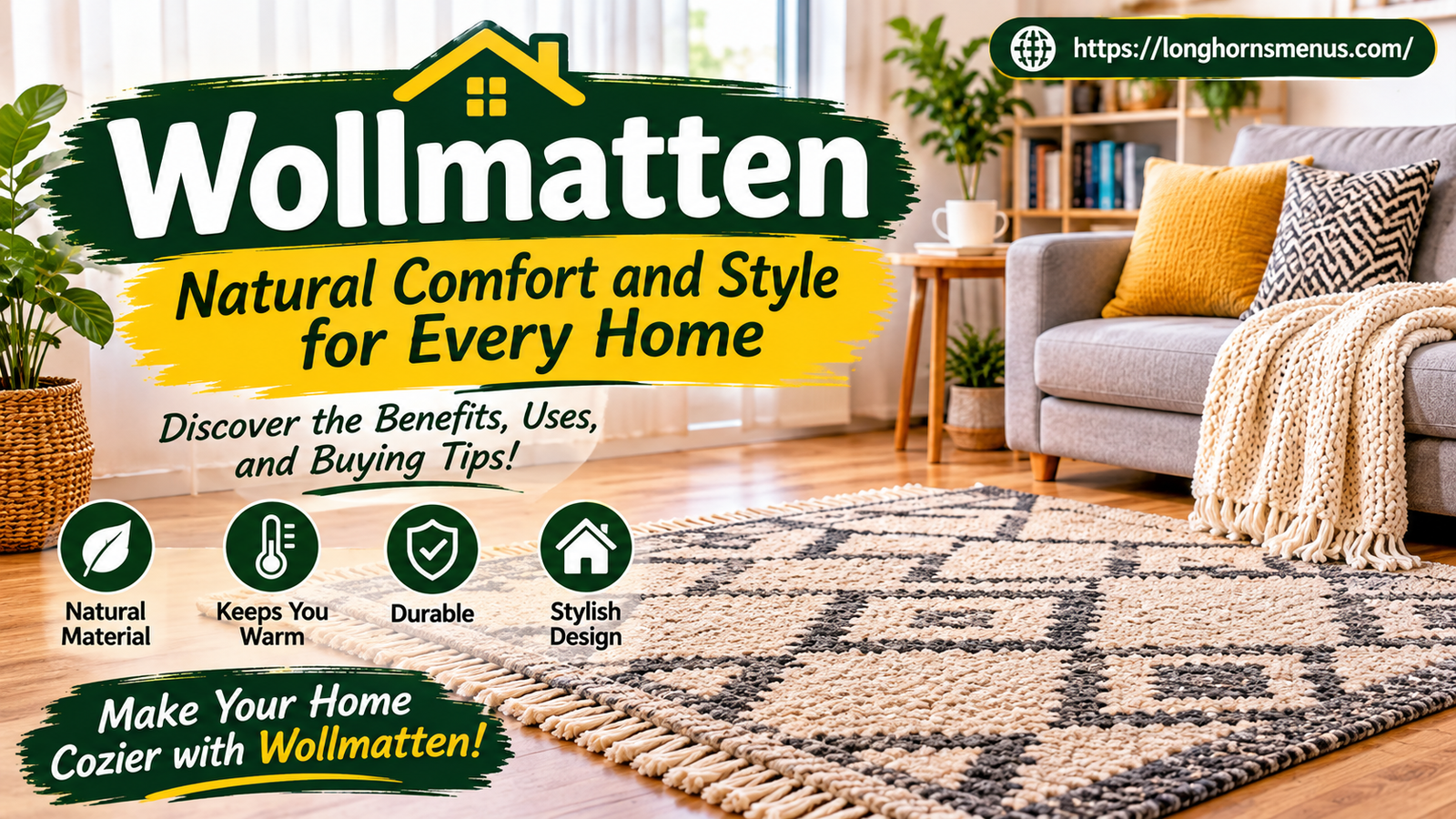
Wollmatten are wool mats that bring natural warmth, softness, and texture into a home. Made from wool or wool-rich fibers, they suit people who like natural materials and timeless interiors. Whether you want a cozier bedroom, a warmer living room, or a welcoming entrance, a wool mat is a practical way to get there. They come in many sizes, colors, patterns, and designs, so there’s usually an option that fits your space. This guide covers their features benefits best places to use them, and how to care for them. You’ll also find tips on choosing the right wool mat before you buy.
What Makes Wollmatten Special?
Wollmatten are floor coverings made from natural wool fibers or blends that contain wool. People have used wool in household textiles for generations because it feels comfortable, insulates well, and lasts.
Unlike many synthetic floor coverings, wool has a naturally textured look. Its fibers create a warm surface underfoot, which is especially nice in colder months.
The styles range from simple neutral designs to decorative patterns. Some have a thick, plush surface, while others have a flatter weave that works better in busy areas. That versatility lets them fit modern, Scandinavian, rustic, traditional, and minimalist homes.
Benefits of Using Wollmatten at Home
A wool mat isn’t only about looks. Wool has several practical qualities that make it a good choice for home accessories.
Natural Warmth and Comfort
Wool fibers trap air, which gives wool textiles useful insulating properties. A wool mat can make a cold floor much more pleasant, especially in bedrooms and living rooms where you spend time relaxing. A mat beside the bed also means you don’t step onto a cold floor first thing in the morning.
Attractive Natural Appearance
Wool has a distinctive texture that makes a room feel warmer and more inviting. Neutral shades like cream, beige, gray, and brown are popular because they go with many furniture colors. If you want something bolder, a patterned or colorful mat can become a real decorative feature.
Durable Material
Good wool fibers are resilient, and they bend and spring back, which helps some wool products keep their look with regular use. Durability still depends on fiber quality, construction, thickness, and how well you maintain the mat. For high-traffic areas, choose a tightly constructed mat made for everyday use.
Natural Moisture Management
Wool can absorb a little moisture from the air without feeling wet right away, which helps it cope with small changes in humidity. That doesn’t make a wool mat waterproof, though. Clean spills quickly and let the mat dry properly to avoid odors or damage.
A Comfortable Walking Surface
A wool mat feels softer than bare tile, stone, or hardwood. Thicker mats add cushioning, while flatter ones are easier to place near furniture and doorways. For safety, use a non-slip backing or rug pad, especially on smooth floors.
Popular Places to Use Wollmatten
The right spot depends on the mat’s size, construction, and design.
Living Room
A wool mat can define a seating area and tie different furniture pieces together. Put one under a coffee table or in front of the sofa for a more put-together look. Choose a size that fits your furniture arrangement, because a mat that’s too small looks out of place.
Bedroom
Bedrooms are ideal for soft wool mats. A small mat by the bed gives you a warm surface when you wake up, while a larger one adds comfort across the whole room. Light colors create a calm mood, and darker shades pair well with bold furniture and accents.
Hallway and Entrance
A mat at the entrance makes a good first impression. Wool can suit some hallways, but check that its construction and care instructions match the amount of foot traffic. If the entrance often gets wet or muddy, pick a mat made for those conditions instead of assuming any wool mat will do.
Home Office
A wool mat makes a home office feel cozier and softens a room full of desks, shelves, and electronics. If you use a rolling chair, make sure the mat’s texture and thickness allow it to move smoothly.
How to Choose the Right Wollmatten
With so many designs on offer, color is only one part of the decision. Keep these factors in mind.
Check the Wool Quality
Read the material description first. Some mats are all wool, while others mix wool with synthetic or other natural fibers. A higher wool percentage doesn’t always mean better quality, because fiber type, manufacturing method, and construction also matter.
Select the Correct Size
Measure your floor space before shopping. A mat that’s too small looks disconnected from the furniture, and an oversized one can crowd the room. In a living room, think about how it will sit under or around the seating. In a bedroom, measure the space beside or under the bed.
Consider Thickness and Construction
Thicker mats feel softer and more cushioned. Flat-woven mats are easier to place under furniture and often suit hallways and practical areas. Think about how you’ll use the mat every day before you choose.
Match the Interior Design
The color and pattern should work with your furniture, flooring, and walls. If the room already has bold patterns, a simple mat creates balance. In a minimal room, a textured or patterned design adds visual interest.
Look for a Suitable Backing
Some wool mats come with a backing for stability, while others need a separate rug pad. On smooth floors, a compatible non-slip underlay reduces movement. Follow the manufacturer’s recommendations so you don’t damage the floor or the mat.
Wollmatten vs. Synthetic Mats
Both types have their uses. The best choice depends on your budget, how you like to clean, and where the mat will go.
| Feature | Wollmatten | Synthetic Mats |
| Material | Natural wool or wool blends | Manufactured fibers |
| Texture | Often soft and naturally textured | Varies by material |
| Insulation | Naturally insulating | Depends on construction |
| Appearance | Warm, natural look | Wide range of styles |
| Maintenance | May need special care | Often easier to clean |
| Price | Can be more expensive | Available at many price points |
| Best Use | Comfort and natural interior design | Practical everyday applications |
| Stain Resistance | Needs prompt cleaning | Often more stain-resistant |
| Moisture Handling | Absorbs some moisture, dries slowly | Often dries faster |
| Fading | Can fade in strong sunlight | Varies by dye and material |
| Feel Underfoot | Soft and warm | Ranges from soft to firm |
| Longevity | Can last long with good care | Depends on quality and use |
| Eco-Friendliness | Natural, renewable fiber | Usually made from petroleum-based materials |
Neither material is the best for every home. Wool appeals to people who prefer natural fibers, while synthetic mats can suit households that want easier cleaning or a lower upfront cost.
How to Clean and Maintain Wollmatten
Good care keeps a wool mat looking great for longer. Wool is tough, but it still needs the right treatment.
Vacuum Regularly
Vacuum to remove dust, loose dirt, and everyday debris. Use a setting that suits the mat’s construction, and avoid harsh brushes that could damage delicate fibers.
Clean Spills Quickly
If something spills, blot the area gently with a clean cloth. Don’t rub, since that pushes the liquid deeper into the fibers. Use a cleaner made for wool, and test it on a small hidden spot first.
Avoid Excessive Water
Don’t soak a wool mat unless the manufacturer recommends a specific washing method. Too much water can harm the fibers, the backing, and the shape.
Follow Professional Cleaning Advice
Some wool mats need specialist cleaning. Read the care label before any deep cleaning or chemical treatment.
Protect the Mat From Sunlight
Strong, constant sunlight can fade some dyes. Rotate the mat now and then and limit long sun exposure to keep the color even.
Are Wollmatten Worth Buying?
Wollmatten can be a smart purchase if you value natural materials, warmth, and classic home decor. Their texture and insulating qualities make them a great fit for bedrooms, living rooms, and some hallways.
They aren’t perfect for every situation, though. Wool mats can need more careful cleaning than synthetic ones, and they often cost more. Before you buy, think about your household’s daily routine, whether pets or children use the space, and how much upkeep you’re happy to do. A well-chosen wool mat adds comfort and character while staying practical.
Frequently Asked Questions
What Are Wollmatten?
Wollmatten are floor mats made from natural wool fibers or wool blends. People use them for comfort, warmth, and home decoration.
Are Wollmatten Suitable for Bedrooms?
Yes. A wool mat gives you a soft, comfortable surface beside or under the bed.
Are Wool Mats Easy to Maintain?
They need regular vacuuming and careful spill cleaning. Some may also need professional cleaning.
Can Wollmatten Be Used in Hallways?
Yes, as long as the mat is built for the amount of foot traffic and is properly secured.
Are Wollmatten Better Than Synthetic Mats?
It depends on your needs. Wool offers natural texture and insulation, while synthetic mats may be easier to clean and cheaper.
Final Thoughts
Wollmatten combine natural texture, everyday comfort, and attractive design in one useful accessory. Their insulating qualities, soft surface, and flexible look make them a popular pick for anyone who wants a warmer, more welcoming home.
From bedrooms and living rooms to some hallways and home offices, wool mats suit a wide range of spaces. The key is choosing the right material, size, thickness, and design for your needs.
Before you buy, read the product details, check the care instructions, and make sure the mat suits your floor type and foot traffic. With the right choice and regular care, Wollmatten can stay a beautiful and useful part of your home for years.