If you want the most tender steak at Texas Roadhouse without paying the Dallas Filet price, the filet medallions Texas Roadhouse serves are the order regulars whisper about. You get three small filets, nine ounces of meat in total, served over seasoned rice with your choice of sauce — and, at many locations, the plate costs less than the eight-ounce Dallas Filet.
This guide covers everything people actually search for before ordering: what cut the medallions are, how big they are, how many calories they carry, which sauce to pick, what the plate costs, and whether the medallions or the Dallas Filet is the better deal. Every price below is reported from fan-site menu guides and varies by location, so confirm locally before you go — Texas Roadhouse does not publish one national price list.
What Are Filet Medallions at Texas Roadhouse?
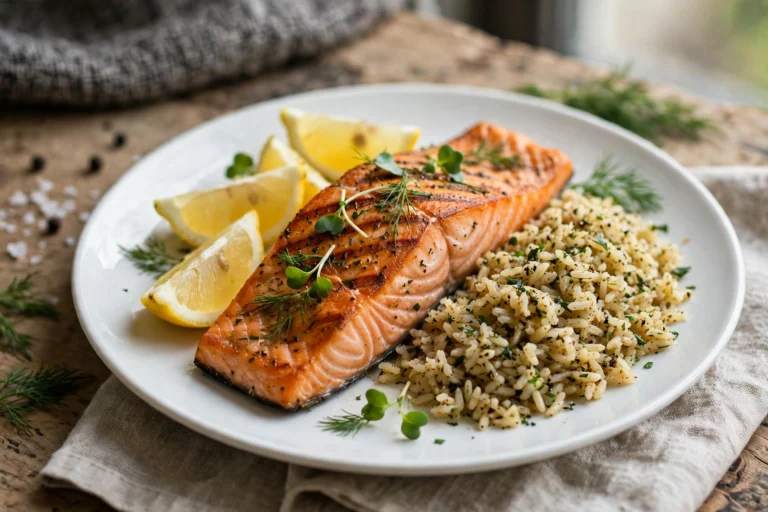
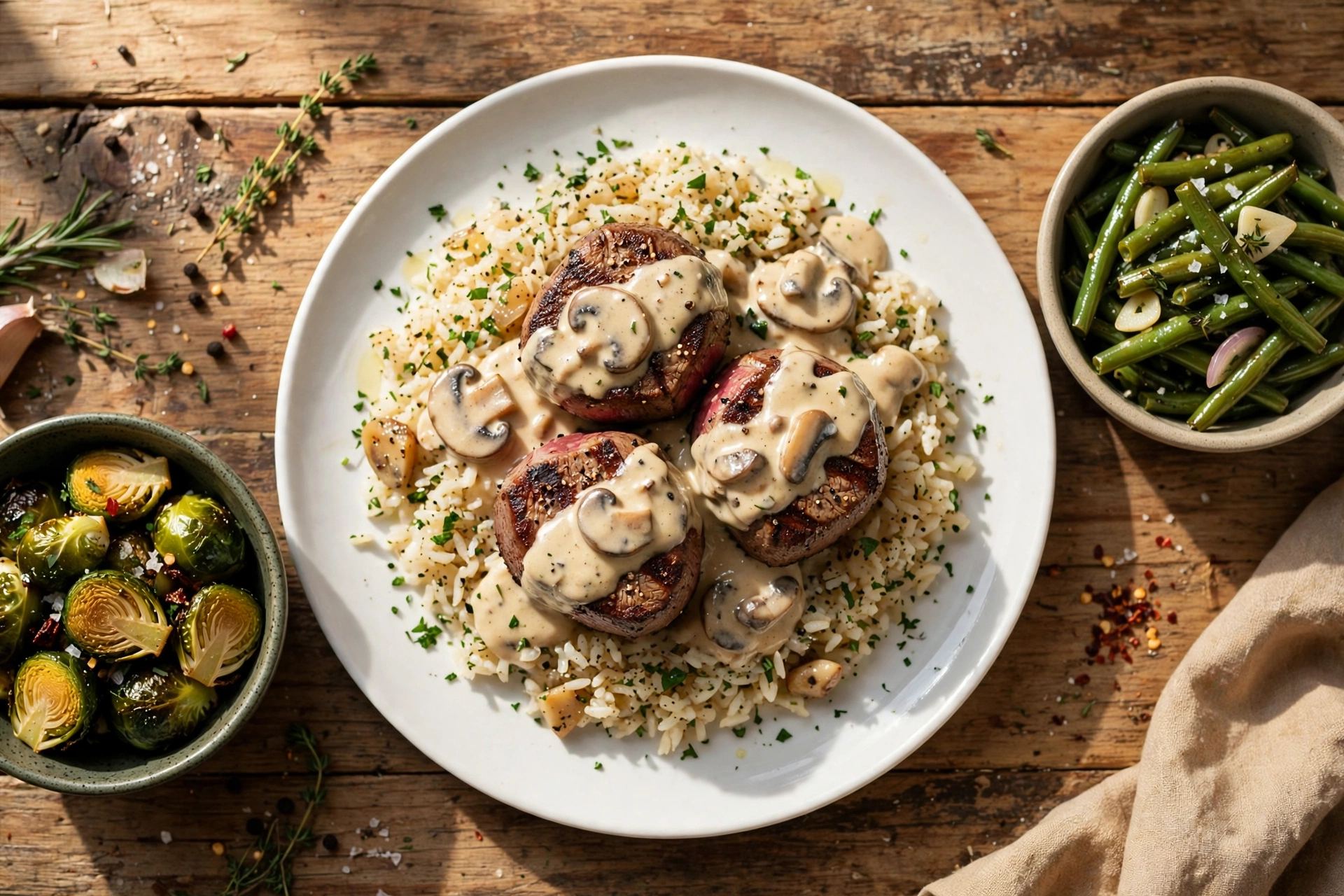
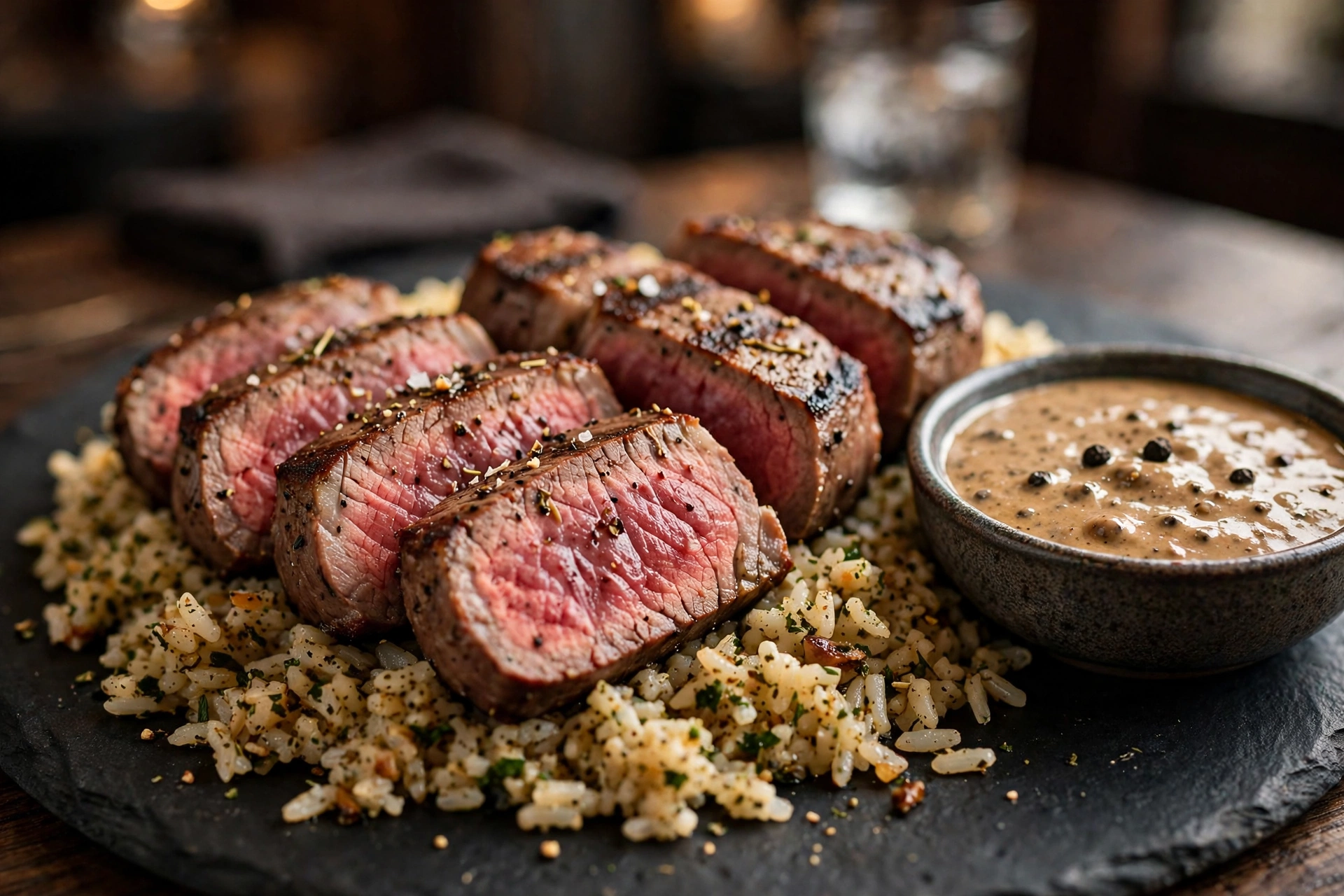
Filet medallions at Texas Roadhouse are three small, thick rounds of beef tenderloin, each about three ounces, grilled to order and served over a bed of seasoned rice. The menu describes them as “three tender filets (9 oz. total) topped with choice of peppercorn or portobello mushroom sauce and served over seasoned rice,” with your choice of two sides.
The word “medallion” is simply the steakhouse term for a small, round cut. Instead of one thick filet, the kitchen portions the tenderloin into three smaller rounds. They cook faster, they are easy to share or to cut, and each piece gets more seasoned, seared surface than a single thick steak.
Medallions are a real, standard item on the Texas Roadhouse hand-cut steaks menu — not a secret-menu hack and not a limited-time special. They sit in the same section as the Dallas Filet, the hand-cut sirloin, the Ft. Worth Ribeye and the Porterhouse T-Bone.
What Cut Are Texas Roadhouse Filet Medallions?
Filet medallions are cut from the beef tenderloin — the same muscle the Dallas Filet comes from. That makes them filet mignon in all but name: the tenderloin is the least-worked muscle on the animal, which is why it is so tender, and the medallions are sliced from it just like a filet mignon is.
Texas Roadhouse’s own training materials describe the medallions as the “same cut as the Dallas Filet,” and food writers who checked with the chain report the same thing. The difference is portioning, not quality: one Dallas Filet is a single thick piece of tenderloin, while the medallions are three smaller pieces of the same tenderloin.
Like every steak at Texas Roadhouse, the medallions are USDA Choice beef, hand-cut in the restaurant and grilled to order over an open flame. The kitchen brushes them with melted butter or margarine before serving, the same finish the Dallas Filet gets.
Texas Roadhouse Filet Medallions: What Comes on the Plate
The plate is more generous than the steak alone suggests. Here is exactly what the standard order includes, according to the printed menu and the chain’s nutrition guide:
- Three filet medallions, 3 oz each — 9 oz total. Grilled to your chosen temperature and brushed with butter.
- A bed of seasoned rice. The medallions are served over the rice, not beside it, so the rice soaks up the juices and the sauce.
- Your choice of sauce: peppercorn brown sauce or portobello mushroom sauce. You can also ask for no sauce.
- Two made-from-scratch sides of your choice, the same as every other hand-cut steak entree.
- Fresh-baked rolls with cinnamon honey butter, free and unlimited, like every Texas Roadhouse dinner.
That rice is the quiet value in the dish. The Dallas Filet comes with two sides and no rice. The medallions effectively give you three starches — rice plus two sides — which is one reason regulars call it the best-value filet on the menu.
The medallions also appear elsewhere on the menu. The Steakhouse Filet Salad tops its greens with filet medallions, and the Filet Medallions with Grilled Shrimp combo pairs the same three medallions with a shrimp skewer over seasoned rice.
Filet Medallions vs Dallas Filet: What Is the Difference?
This is the comparison almost every searcher wants, because the two dishes are the same cut at different prices. The honest answer is that the meat is the same — the experience and the value are not.
| Detail | Filet Medallions | Dallas Filet |
|---|---|---|
| Cut | Beef tenderloin (filet mignon) | Beef tenderloin (filet mignon) |
| Portion | Three 3 oz medallions — 9 oz total | One thick steak — 6 oz or 8 oz |
| Served with | Seasoned rice + sauce + two sides | Two sides, no rice, no sauce |
| Sauce | Peppercorn or portobello mushroom included | None included |
| Steak-only calories | About 760 cal with rice (see nutrition section) | 270 cal (6 oz) / 360 cal (8 oz), steak only |
| Reported price | Roughly $19–$30 depending on location (see below) | Roughly $21–$32 depending on size and location |
The medallions give you one ounce more steak than the eight-ounce Dallas Filet, plus rice and a sauce, and at many locations they cost a few dollars less. That is why former employees and food writers keep calling the medallions the better deal: more meat, an extra side in effect, and a lower ticket.
The Dallas Filet still wins on one thing: presentation and sear. A single thick filet gets a better crust and a more even pink centre than three small rounds, and some diners prefer one steak to three pieces. If you order your filet medium-well or above, the kitchen may suggest butterflying the Dallas Filet so it cooks through faster — a tip that matters less with medallions, which cook through quickly anyway.
For a full breakdown of the single-filet option, see our guide to the Texas Roadhouse Dallas Filet. If you want a richer, more marbled steak instead, the Ft. Worth Ribeye is the flavour-first pick.
How Much Do Filet Medallions Cost at Texas Roadhouse?
Here is the honest answer: reported prices conflict widely, because Texas Roadhouse sets prices at restaurant level and fan-site guides check different locations on different dates. Do not treat any single number below as the official price — all prices are reported at some locations, vary, and you should confirm locally.
Across the menu guides checked for this article in November 2026, reported prices for filet medallions Texas Roadhouse locations charge include:
- $18.99 on an older printed in-restaurant menu reproduced by one guide.
- $21.99 reported by several 2026 menu guides as the typical price.
- $23.49 at the Wichita, Kansas location checked in September 2026 by an independent guide.
- $24.99 reported by other 2026 guides, with a state-by-state range of about $23 to $30.
- $27.99–$29.99 on some 2026 guides that appear to bundle higher-cost markets or delivery pricing.
The most commonly reported figure in late 2026 is roughly $22–$25, but the spread is real and location-driven: the same dish can cost several dollars more in a high-cost metro than in a smaller market. Prices also exclude sales tax, which is added at checkout, and delivery platforms may show different prices again.
What is consistent across sources is the relative price: at the same location, the medallions are usually priced at or below the eight-ounce Dallas Filet, even though they contain an ounce more steak. That relative gap is the reliable takeaway; the absolute dollar figure is not.
Filet Medallions Calories and Nutrition
Calorie figures are steadier than prices, because they come from Texas Roadhouse’s published nutrition guide rather than from local menus. The standard serving — three medallions with seasoned rice, before sauce and before your two sides — is listed at:
| Item | Calories | Protein | Fat | Carbs | Sodium |
|---|---|---|---|---|---|
| Filet Medallions (9 oz) with seasoned rice | 760 | 74 g | 30 g | 56 g | 2,370 mg |
| Peppercorn brown sauce (4 oz, added) | 160 | Less than 1 g | 14 g | 7 g | 830 mg |
| Portobello mushroom sauce (4 oz, added) | 70 | 2 g | 5 g | 6 g | 440 mg |
| Filet Medallions with grilled shrimp (combo, with rice) | 1,000 | 90 g | 38 g | 81 g | — |
A few guides list higher figures — 830, 880–970, or even 960 calories — for the medallions. Those higher numbers generally reflect older menus, the peppercorn sauce included, or a different rice portion, not a different steak. The 760-calorie figure (with rice, before sauce) is the one that matches the chain’s current nutrition guide as reproduced by multiple independent trackers in 2026, so it is the figure we use — and the sauce choice alone swings the plate by 90 calories.
For comparison, the Dallas Filet on its own is 270 calories for six ounces and 360 for eight ounces, before sides. The medallions look heavier only because the rice is counted in their total; the steak itself is the same lean tenderloin. With 74 grams of protein, the medallions are one of the highest-protein plates on the menu.
Two cautions if you are tracking intake: sodium is high at 2,370 mg before sauce or sides, and your two sides and the free rolls add real calories on top — a loaded sweet potato or steak fries can add several hundred more.
Peppercorn or Portobello: Which Sauce Should You Choose?
The sauce is the one choice the menu forces you to make, and it changes the plate more than people expect. Both sauces are served over the medallions and the rice.
Peppercorn brown sauce is the richer, bolder option: a creamy, peppery brown sauce that adds about 160 calories per four-ounce serving. It suits diners who want a classic steakhouse flavour and do not mind the extra fat and sodium. It is the sauce the medallions are most often photographed with.
Portobello mushroom sauce is the lighter, earthier option: sliced mushrooms in a lighter sauce, adding only about 70 calories per four-ounce serving. It is the better pick if you want the mushroom flavour without the cream, and it saves you roughly 90 calories and about 390 mg of sodium against the peppercorn.
You can also order the medallions with no sauce at all. The steak is seasoned and butter-brushed before it reaches the table, so it is not dry without sauce — and skipping the sauce is the easiest way to keep the plate at its listed 760 calories. If you cannot decide, ask for the sauce on the side; many locations will do this, and it lets you control how much goes on the rice.
How to Order Filet Medallions Like a Regular
The medallions are a forgiving order, but a few choices make the plate noticeably better:
- Order medium-rare or medium. Tenderloin is lean, so it dries out fast past medium. Medium-rare keeps the centre pink and juicy; medium is the safe middle ground if pink meat puts you off.
- Do not order them well done if you can help it. Three small pieces overcook much faster than one thick filet, and well-done medallions can turn tough. If you genuinely prefer well done, the thicker Dallas Filet holds up slightly better.
- Pick the portobello sauce if you want lighter, peppercorn if you want richer. Or ask for sauce on the side and decide at the table.
- Choose sides that balance the rice. The plate already has a starch in the rice, so a green vegetable — green beans, steamed broccoli, a house salad — balances it better than a second heavy starch. If you want indulgence, the loaded baked potato is the classic pairing.
- Ask about an extra medallion. Several former employees report that an extra three-ounce medallion can be added for a small upcharge, taking the plate to 12 ounces of filet. Availability and price vary by location, so ask your server rather than assuming it.
- Consider the shrimp combo. The Filet Medallions with Grilled Shrimp combo adds a shrimp skewer over the same rice, taking the plate to about 1,000 calories and 90 grams of protein — a surf-and-turf version of the same dish.
Texas Roadhouse Filet Medallions: Are They Worth It?
For most diners, yes — with one caveat. On value, the medallions are hard to beat: nine ounces of the most tender cut on the menu, rice, sauce and two sides, usually priced at or below the eight-ounce Dallas Filet. Food writers at Chowhound, The Daily Meal and Food Republic have all made the same point, and former employees on Reddit routinely name the medallions as their personal pick.
On pure eating pleasure, the verdict is more mixed. The medallions have less seared crust than a single thick filet, because three small pieces have more surface but less of the deep, even char a thick steak develops. Some diners also find the rice makes the plate feel less like a steakhouse centrepiece and more like a hearty combo. If the ceremony of one thick filet matters to you, order the Dallas Filet and pay the difference.
Who should order the medallions? Diners who want maximum tenderness per dollar, people who like sauce and rice with their steak, and anyone splitting attention between steak and sides. Who should skip them? Diners who want the thickest, most impressive single steak on the table, or who dislike rice — the rice is part of the dish, not an optional side.
Fillet Medallions Texas Roadhouse: The Spelling Variant Explained
Searchers also type “fillet medallions texas roadhouse” — with two Ls. That is the same dish. “Fillet” is the British spelling of “filet,” and both spellings refer to the same three tenderloin medallions over seasoned rice.
The menu itself uses the single-L American spelling, “Filet Medallions,” and that is the spelling to use when searching the menu or asking your server. But if you have seen “fillet medallions” in a search result or a forum post, you are reading about the identical plate: same cut, same nine ounces, same sauces, same rice.
What to Order With Filet Medallions
The plate already includes rice and two sides, so the best pairings are the ones that add contrast rather than more starch. Our picks:
- Best balanced plate: medallions with portobello sauce, steamed broccoli and a house salad. The vegetables cut the richness of the butter-brushed steak.
- Best indulgent plate: medallions with peppercorn sauce, loaded baked potato and seasoned steak fries. Heavy, but it is the full steakhouse experience.
- Best lighter plate: medallions with no sauce, green beans and fresh vegetables, with the rice as your only starch.
- Best surf-and-turf: the Filet Medallions with Grilled Shrimp combo, with a lighter side to offset the extra protein.
And do not forget the rolls. The fresh-baked rolls with cinnamon honey butter arrive free and unlimited, and they are the one thing almost every Texas Roadhouse review mentions before the steak. One roll with butter adds roughly 225 calories, so they count if you are tracking — but they are also, by most accounts, the best free bread in chain dining.
Filet Medallions in the Texas Roadhouse Steak Lineup
The medallions sit in the middle of the steak menu: more tender than the sirloin, less rich than the ribeye, smaller in ceremony than the porterhouse. If you are working through the menu, these are the comparisons that matter:
- Want the cheapest steak? The hand cut sirloin steak Texas Roadhouse serves is the lowest-priced steak on the menu and the chain’s best seller — lean, hearty, and a fraction of the filet price.
- Want the single most tender steak? The Texas Roadhouse Dallas Filet is the same cut as the medallions in one thick piece, with a better sear.
- Want the most flavour? The Ft. Worth Ribeye is the marbled, rich option — more calories, more flavour, more chew.
- Want the biggest steak on the menu? The Porterhouse Steak Texas Roadhouse serves is the 23-ounce showpiece that combines filet and strip in one cut.
- Still deciding? Our guide to the Texas Roadhouse best selling steak ranks every cut by value, flavour and occasion.
For the most current menu and nutrition information, check the official Texas Roadhouse site at texasroadhouse.com before your visit — the chain updates its nutrition guide periodically, and local menus can differ.
Frequently Asked Questions
What are filet medallions at Texas Roadhouse?
Filet medallions at Texas Roadhouse are three small rounds of beef tenderloin, about 3 oz each, grilled to order and served over seasoned rice with a choice of peppercorn or portobello mushroom sauce, plus two sides. They are a standard item on the hand-cut steaks menu.
How many ounces are Texas Roadhouse filet medallions?
Texas Roadhouse filet medallions total 9 ounces: three medallions of about 3 ounces each. That is one ounce more steak than the 8-ounce Dallas Filet, and three ounces more than the 6-ounce Dallas Filet.
Are filet medallions the same as the Dallas Filet?
Yes, in terms of the cut. Both are beef tenderloin — filet mignon — from the same muscle. The difference is portioning and presentation: the Dallas Filet is one thick 6 or 8 oz steak with two sides, while the medallions are three 3 oz pieces served over seasoned rice with a sauce and two sides.
How many calories are in Texas Roadhouse filet medallions?
According to Texas Roadhouse’s nutrition guide, filet medallions with seasoned rice are 760 calories, with 74 grams of protein, 30 grams of fat and 56 grams of carbs. Peppercorn sauce adds about 160 calories; portobello mushroom sauce adds about 70. Your two sides and rolls add more on top.
What sauces come with filet medallions at Texas Roadhouse?
You choose one of two sauces: peppercorn brown sauce or portobello mushroom sauce. The peppercorn sauce is creamy and peppery at about 160 calories per serving; the portobello sauce is lighter and mushroom-based at about 70 calories. You can also ask for no sauce or sauce on the side.
How much do filet medallions cost at Texas Roadhouse?
Reported prices vary by location and are not an official national price — all prices are reported at some locations, vary, and you should confirm locally. Guides checked in November 2026 report roughly $19 to $30, most commonly about $22 to $25. At most locations the medallions cost the same as, or slightly less than, the 8-ounce Dallas Filet.
What sides come with filet medallions at Texas Roadhouse?
The medallions come with a bed of seasoned rice under the steak plus your choice of two made-from-scratch sides, and free unlimited fresh-baked rolls with cinnamon honey butter. Popular side choices are a loaded baked potato, green beans, steamed broccoli, steak fries or a house salad.
Are filet medallions or the Dallas Filet a better value?
On paper, the medallions are the better value: you get 9 ounces of the same tenderloin versus 8 ounces in the larger Dallas Filet, plus seasoned rice and a sauce, usually for the same price or a few dollars less. The Dallas Filet wins if you prefer one thick steak with a better sear and no rice.
What is the difference between filet medallions and fillet medallions?
There is no difference — “fillet” is the British spelling of “filet.” Both spellings refer to the same Texas Roadhouse dish: three 3 oz tenderloin medallions over seasoned rice with peppercorn or portobello sauce. The menu uses the American spelling, “Filet Medallions.”
Can I order filet medallions without the sauce or the rice?
Yes. You can ask for no sauce, or for the sauce on the side, and the steak is seasoned and butter-brushed so it is not dry without it. The rice is part of the standard plate, so ask your server if you want it left off or swapped — availability of swaps varies by location.